This series highlights the companies Carbon Drawdown Initiative has invested in.
Enhanced rock weathering has real potential. The science is solid, the rocks are available, and the farmland is there.
But there's a bottleneck that slows almost every ERW project before it even gets started: nobody knows where to spread the rock, and verifying that it worked costs a fortune.
Those two problems — site selection and soil sampling — account for a disproportionate share of ERW's costs and risks. Fixing them doesn't require a new form of carbon removal. It requires better intelligence about the land.
That's what AEROC does.
Born from the Field
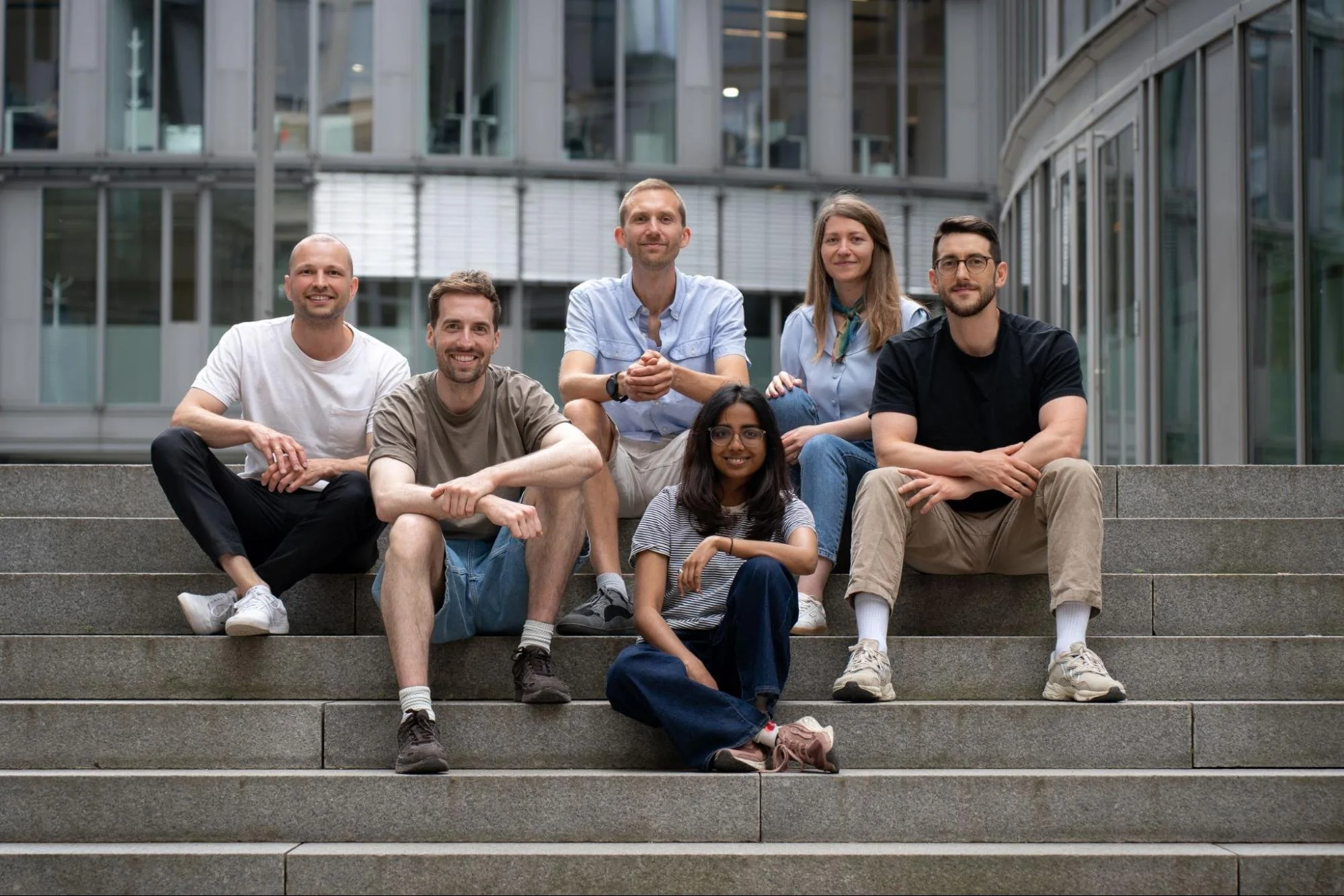
Felix Nosske and Georg Sticka founded AEROC in Cologne in 2024. Both RWTH Aachen University alumni, they didn't come to remote sensing from theory. They came from practice.
Before building AEROC as a service company, they ran three ERW pilot projects themselves funded by €800,000 in EU grants. Those projects revealed something important: the most limiting constraints weren't scientific. They were logistical and economic.
Finding sites with genuinely high CDR potential was slow and expensive. And once a project was running, soil sampling for MRV could eat up nearly half of total project costs.
So they built the tools they wished they'd had.
How It Works
AEROC uses hyperspectral satellite imagery and machine learning to deliver two core services to ERW project developers worldwide.
Site Scouting addresses the challenge of finding fields where rock weathering will actually deliver meaningful carbon removal. A site's CDR potential depends on soil properties including pH, soil structure, organic carbon, and cation exchange capacity. Assessing these through conventional field visits and lab analysis is slow and costly, making thorough screening economically impractical for most developers.
AEROC replaces that process with satellite-based screening. Their models rank potential project sites worldwide by estimated CDR potential, allowing developers and investors to focus resources on the most promising land from the outset, without wasted field visits.
The result: project site identification at up to 95% lower cost than conventional approaches.
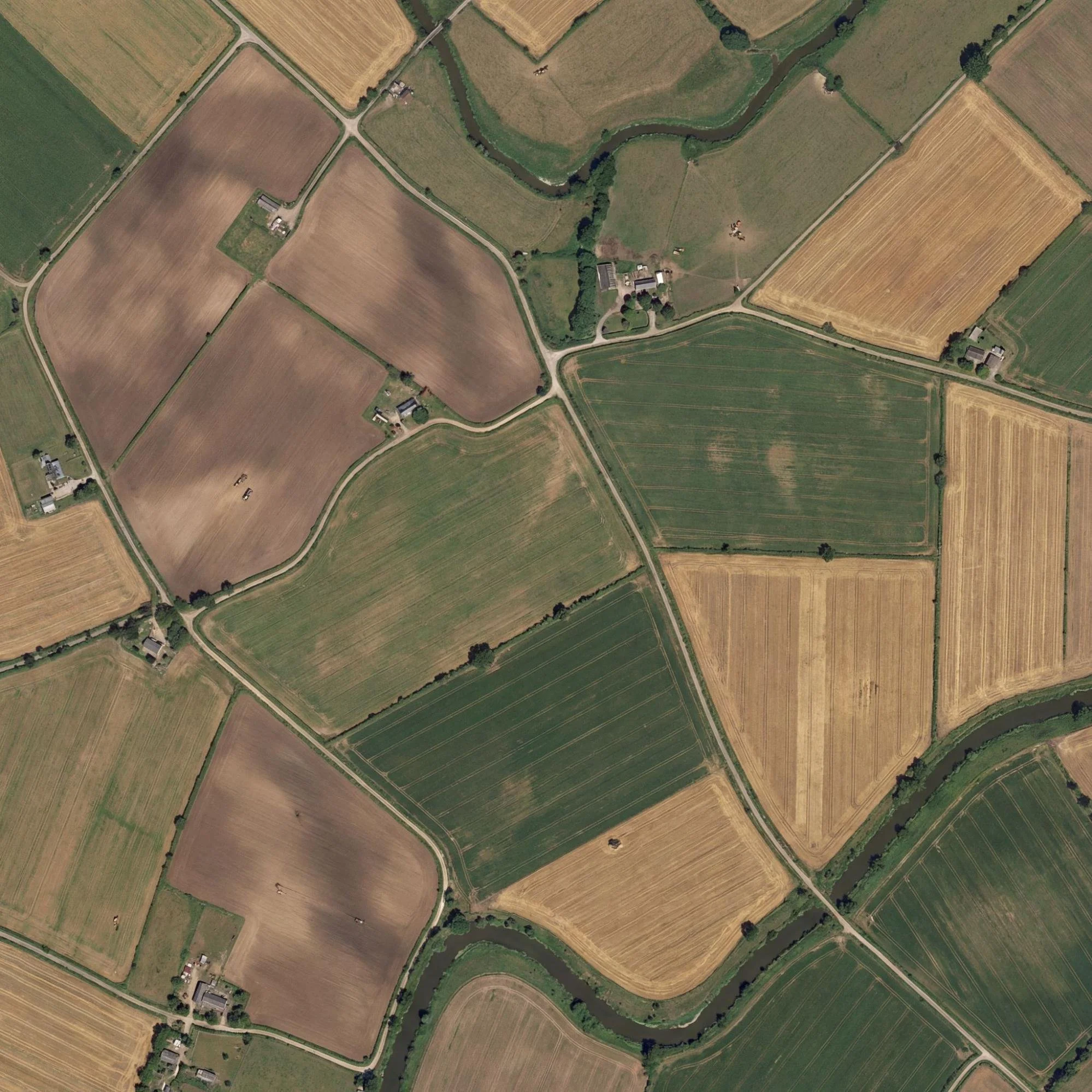
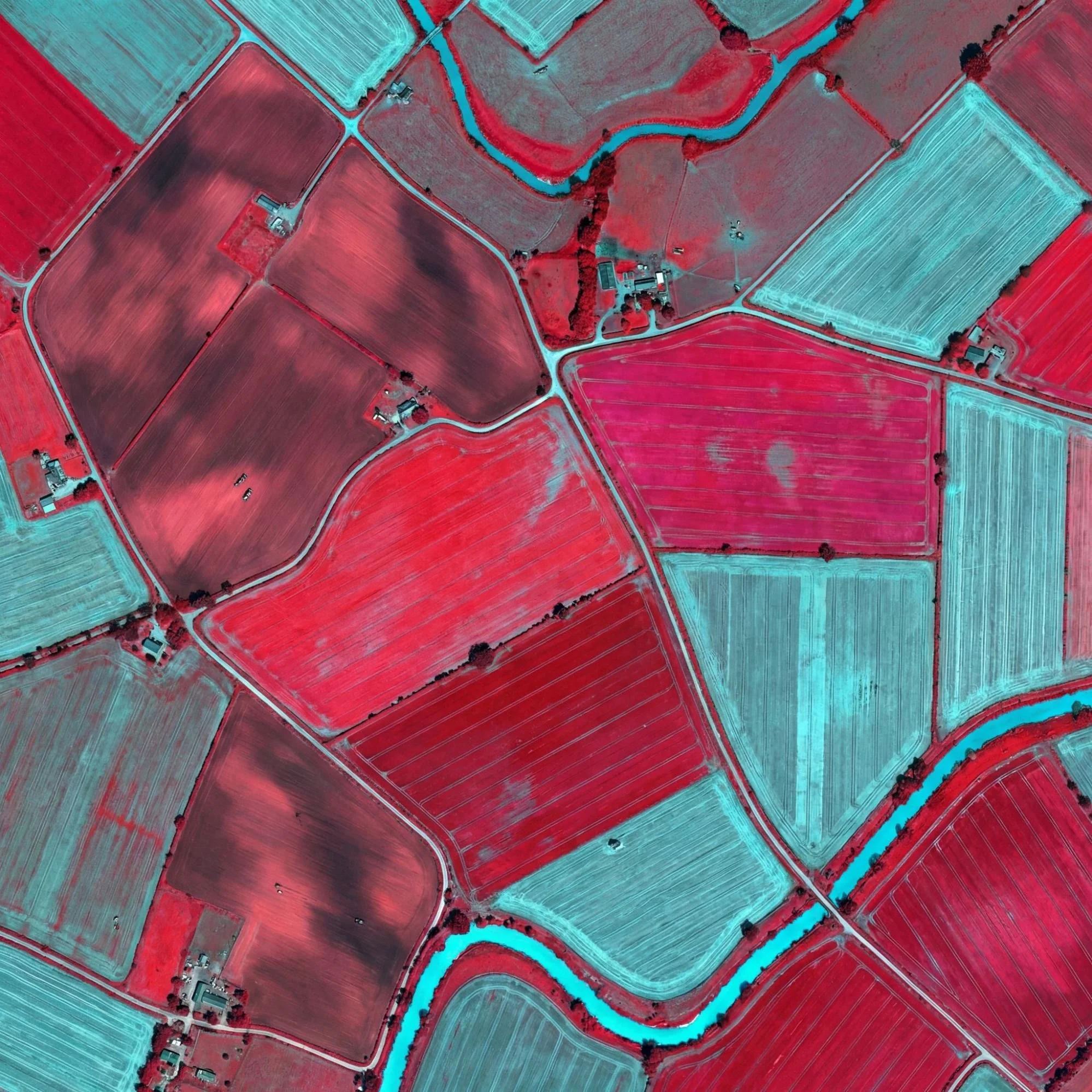
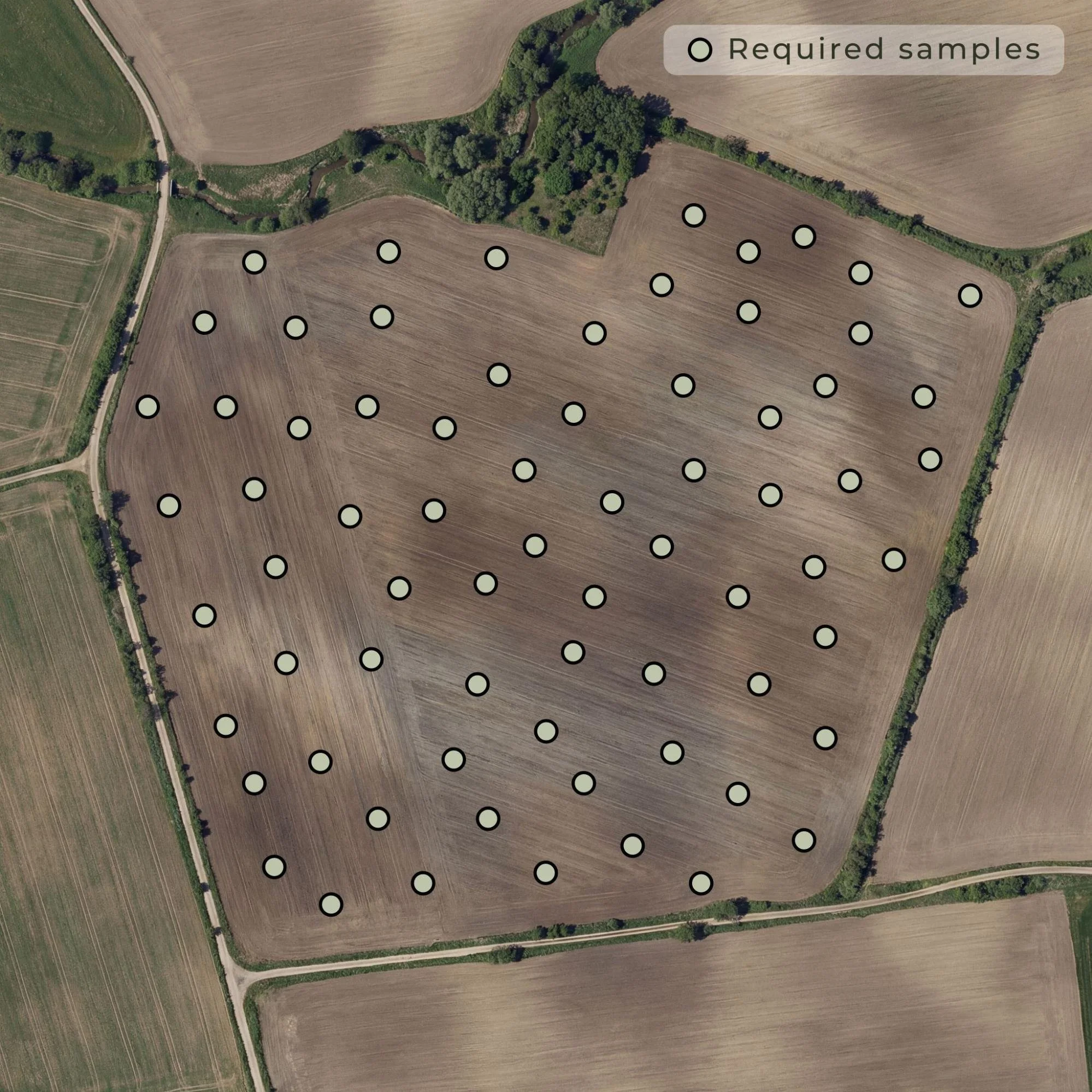
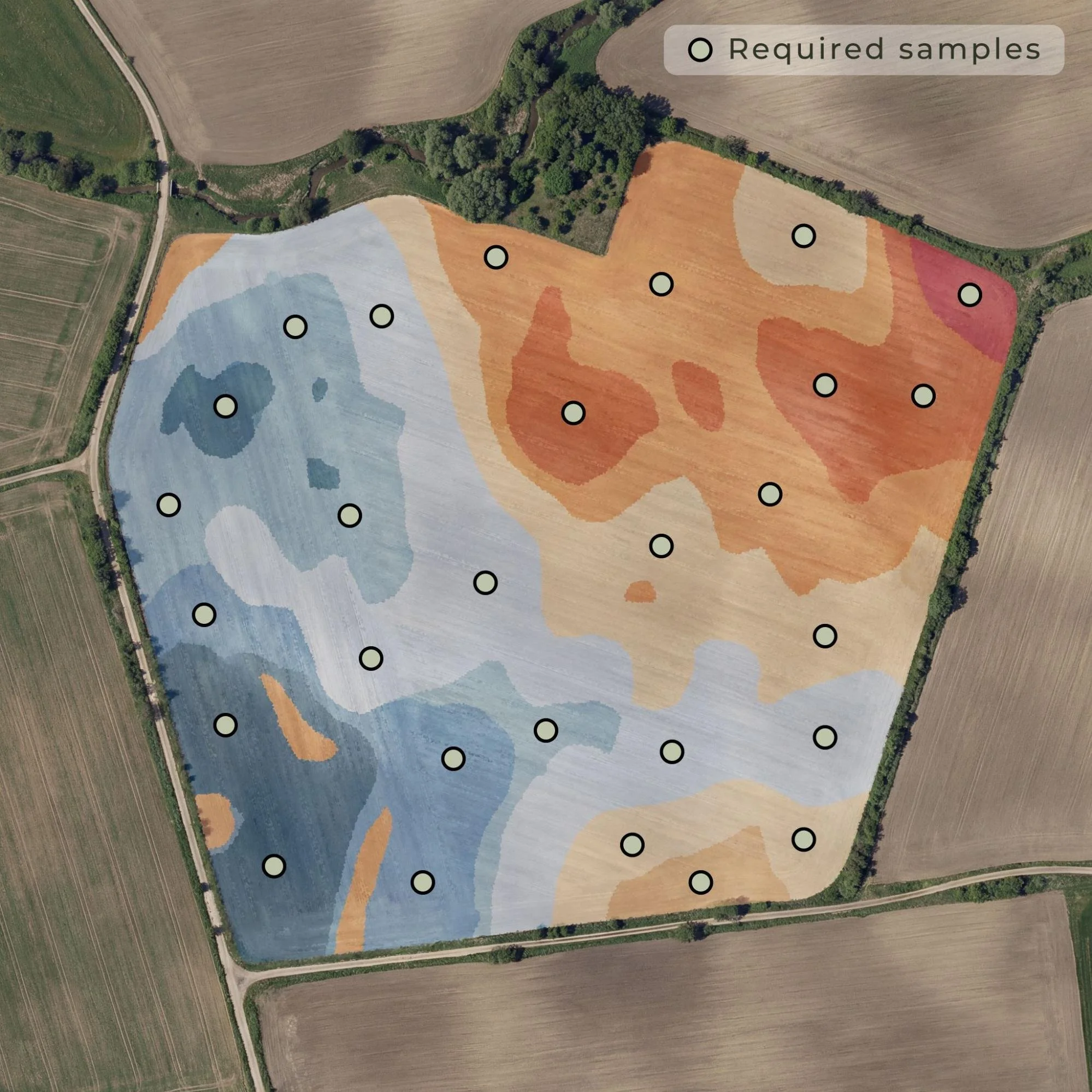
Precision Sampling tackles the biggest cost driver within an active ERW project. Leading certification standards already support stratified sampling to account for soil heterogeneity. In practice, that stratification has often relied on rough proxies like topography or broad soil type, not the specific parameters that actually drive CDR.
AEROC replaces this with data-driven soil zone mapping. Machine learning models trained on satellite data generate pixel-level predictions of key soil properties at 10x10 meter resolution. Those predictions are used to cluster fields into zones of similar weathering rates, allowing samples to be distributed representatively rather than randomly.
The outcome: up to 60% fewer soil samples required, with no loss in accuracy for CDR quantification.
Together, the two services can cut overall ERW project costs by up to 32%.
Why This Matters for the ERW Industry
Enhanced rock weathering is one of the most promising pathways for durable, scalable carbon removal. It builds on natural processes, works on existing farmland, and generates co-benefits for soil health. But it won't scale if the economics don't work.
Right now, they often don't. Not because the science fails, but because finding good sites and verifying results is too expensive. Every percentage point reduction in project costs makes more land viable, more projects fundable, and more carbon removals credible.
AEROC is solving a structural problem in the ERW value chain. Not by reinventing the method, but by making the existing one far more efficient.
The Team
The founding team brings together remote sensing scientists, geochemists, and soil scientists, an unusual combination that reflects exactly what this problem requires. The company includes Dr. Viktoria Kristollari (National Technical University of Athens), Dr. Rachael Marshal (University of Münster) and Casper Wijckmans (ETH Zürich), and Dr. Jonas Tusch (University of Cologne) as part of its core scientific team.
Why We Back AEROC
At Carbon Drawdown Initiative, we back solutions that make the whole ecosystem work better. AEROC doesn't compete with ERW project developers. It makes them more effective.
The combination of a founding team that has operated ERW projects themselves, a clear commercial model, and technology that addresses two of the most stubborn cost bottlenecks in the industry makes AEROC a company we're glad to support.
Better data means better projects. Better projects mean more carbon removed.
That's the logic we invest in.
To learn more about their work, visit:www.aeroc.earth