
What we do / Scientific Research
Enhanced Rock Weathering Research
On this page 7 sections
What is enhanced rock weathering?
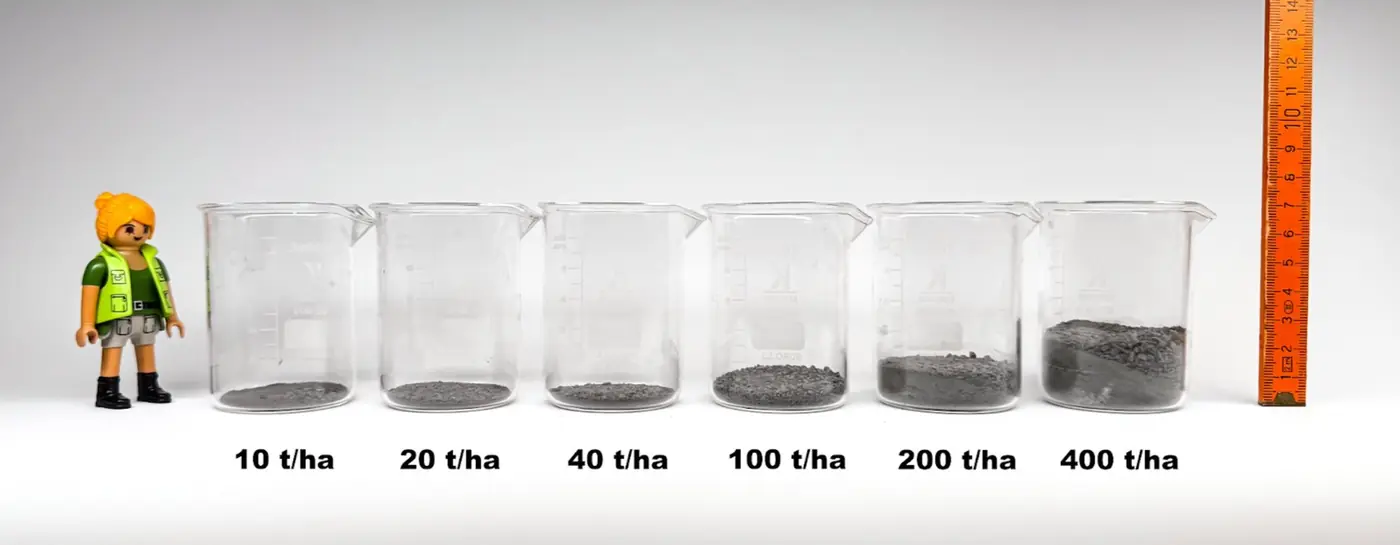
Enhanced rock weathering (ERW) is a carbon dioxide removal (CDR) method where crushed rocks are added to the soil. We speed up the natural weathering process by several orders of magnitude by grinding the rocks and putting them in a favorable place.
- Grind. Rock such as basalt is ground to dust. The finer the grains, the more surface there is to react.
- Spread. The dust is spread on farmland, like lime or fertiliser.
- React. In the presence of water, the rock dissolves through a chemical reaction that changes CO₂ into bicarbonate (HCO₃⁻).
- Store. The stable bicarbonate traps the carbon as it travels through rivers to the ocean, where it can remain stored for over 10,000 years.
In practice, the hard part is not the spreading. It is measuring how much CO₂ a field really removes, and that is what our experiments are for.
The field is young: in 2025 enhanced rock weathering accounted for about 3,800 of the 2 million tonnes of CO₂ that all newer removal methods took out of the air.
Source: The State of Carbon Dioxide Removal, 3rd Edition, June 2026, page 162.
1. Scientific Research
Leading Global Research in Enhanced Rock Weathering
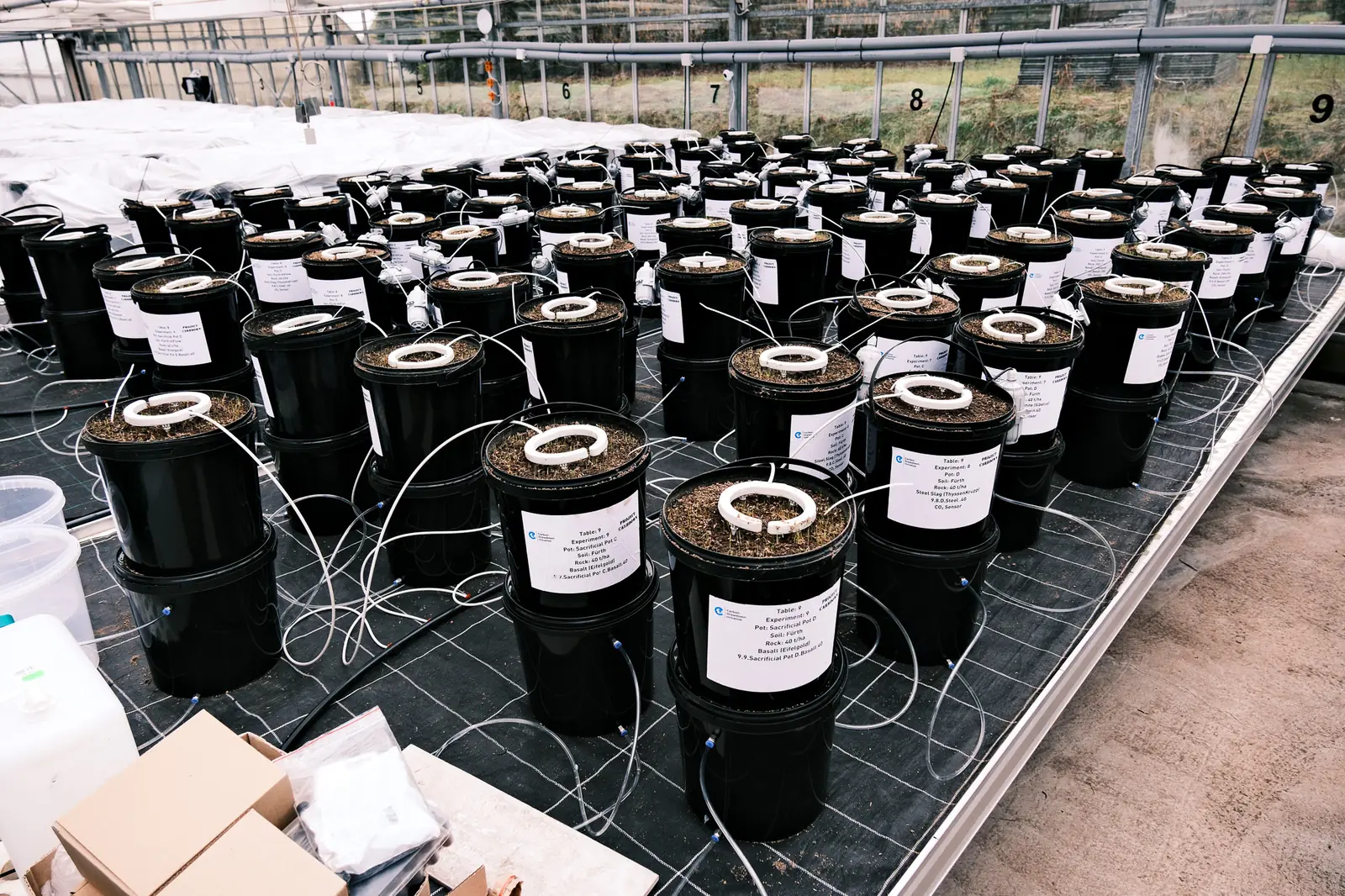
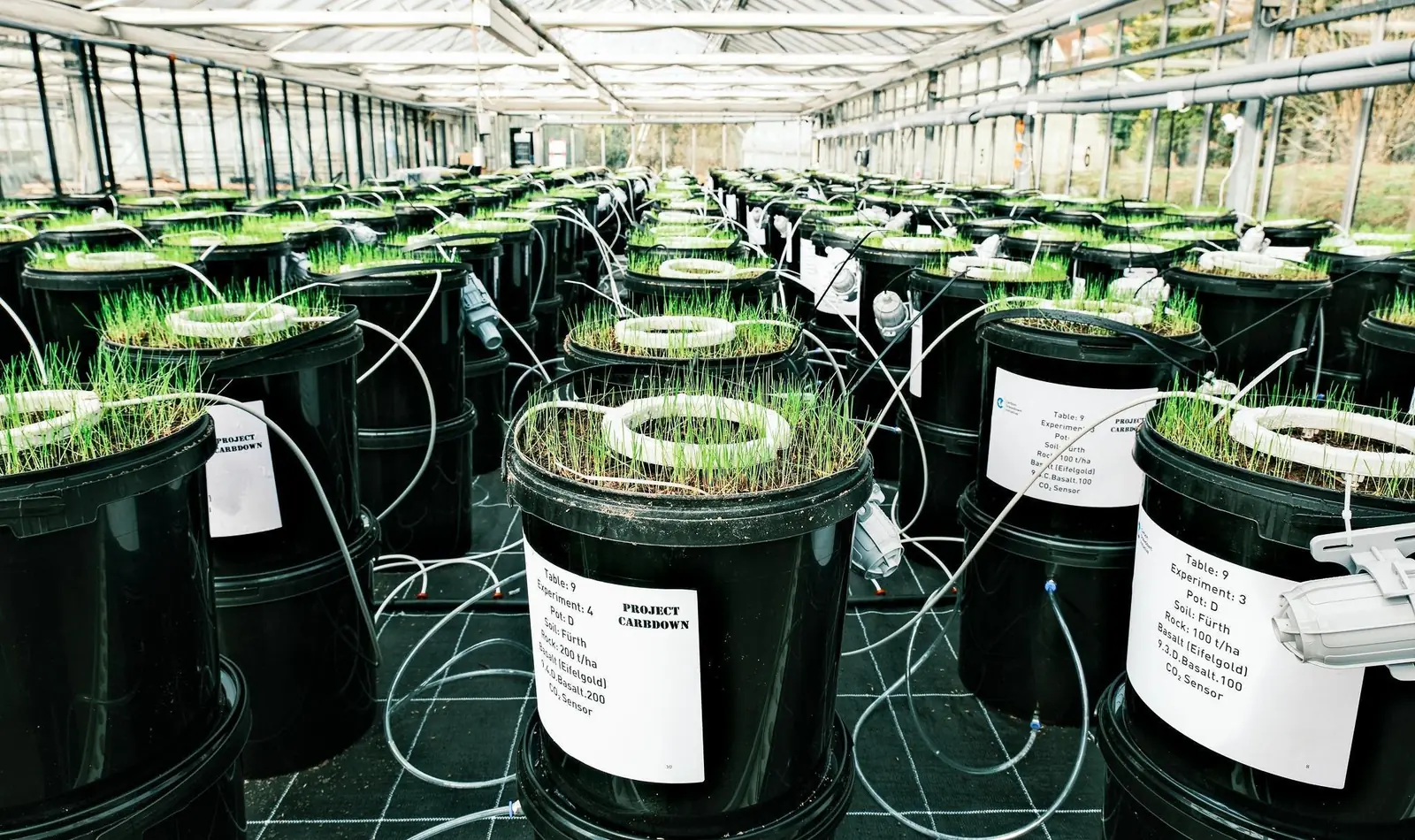
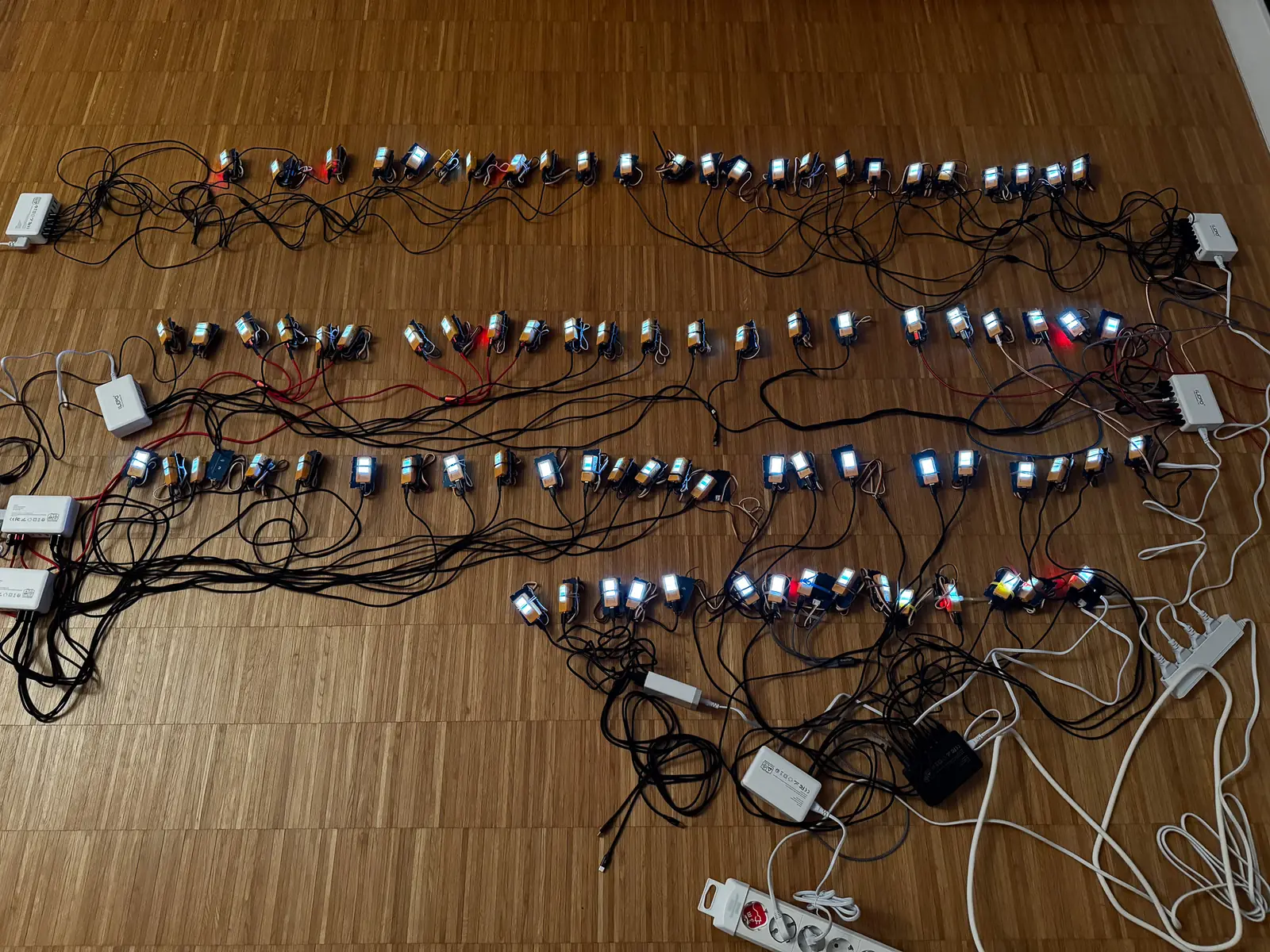
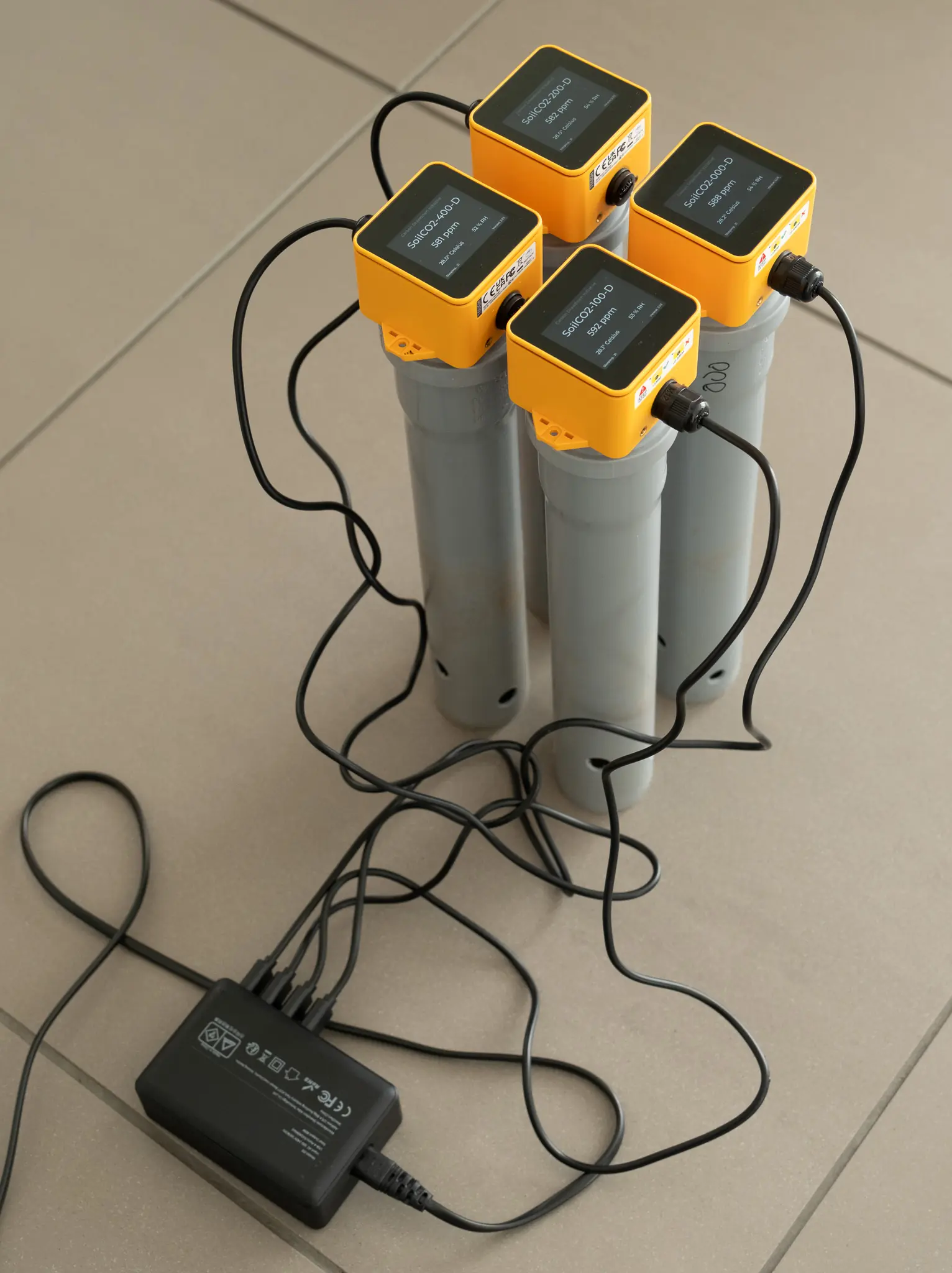
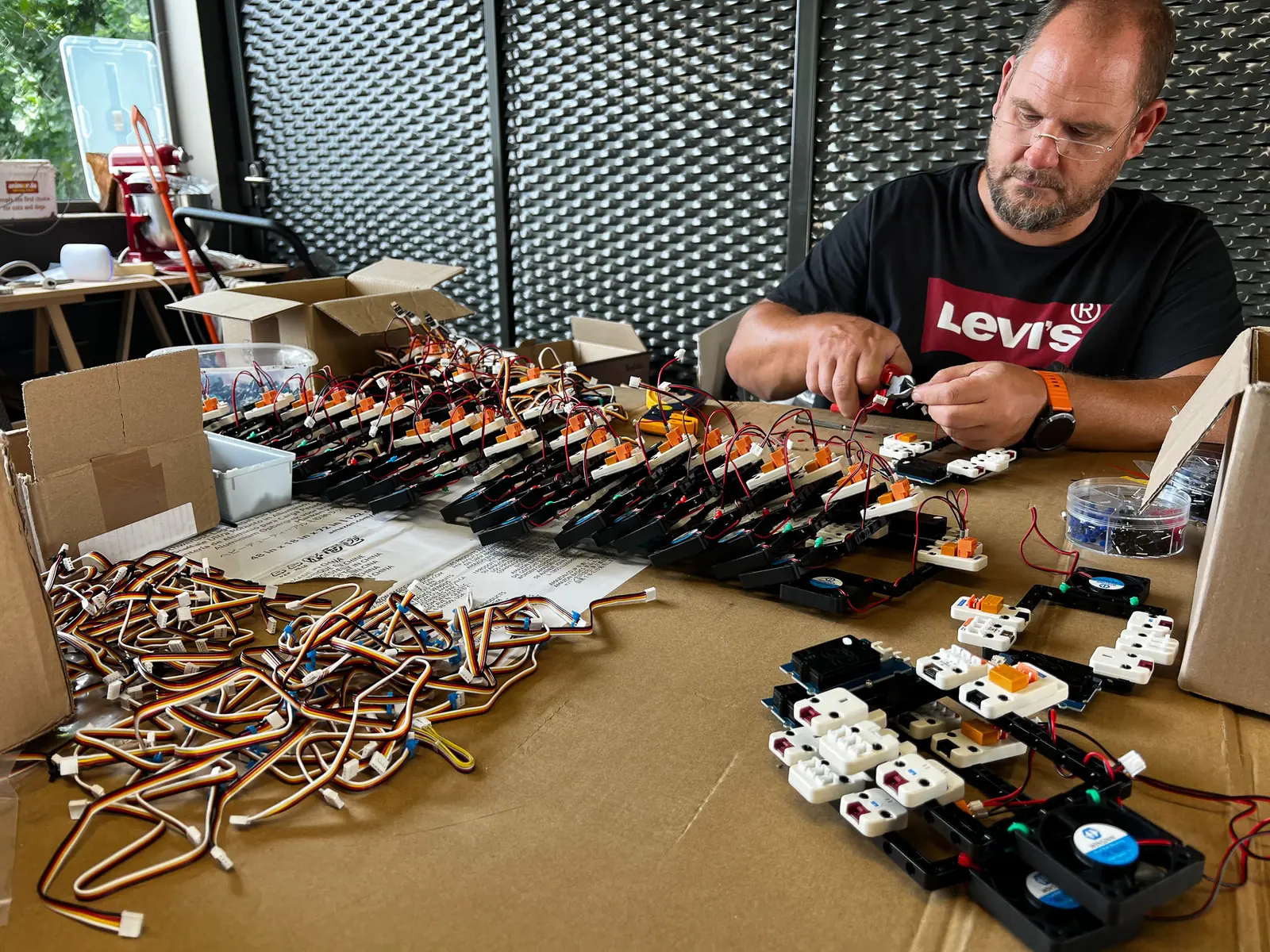
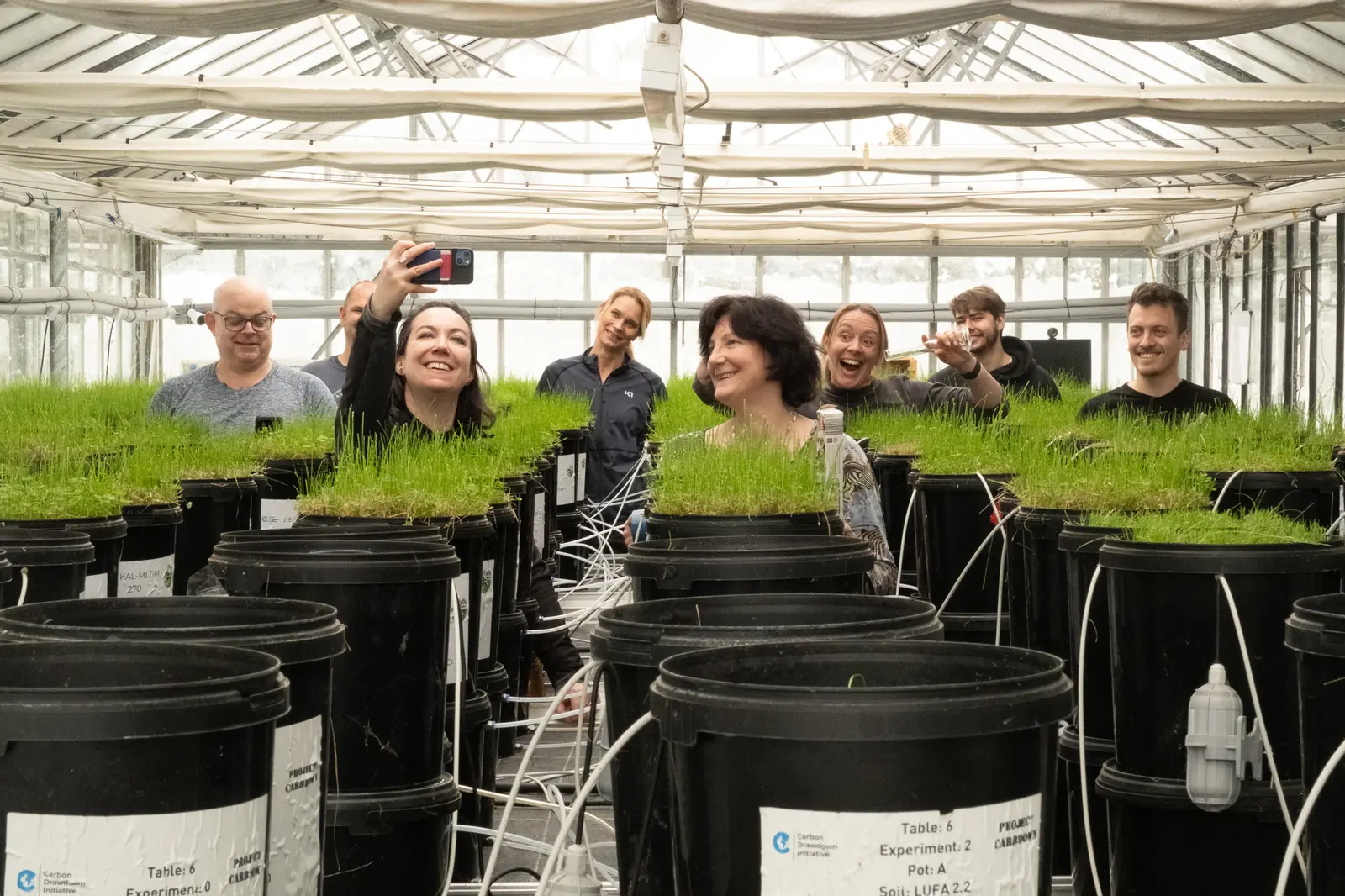
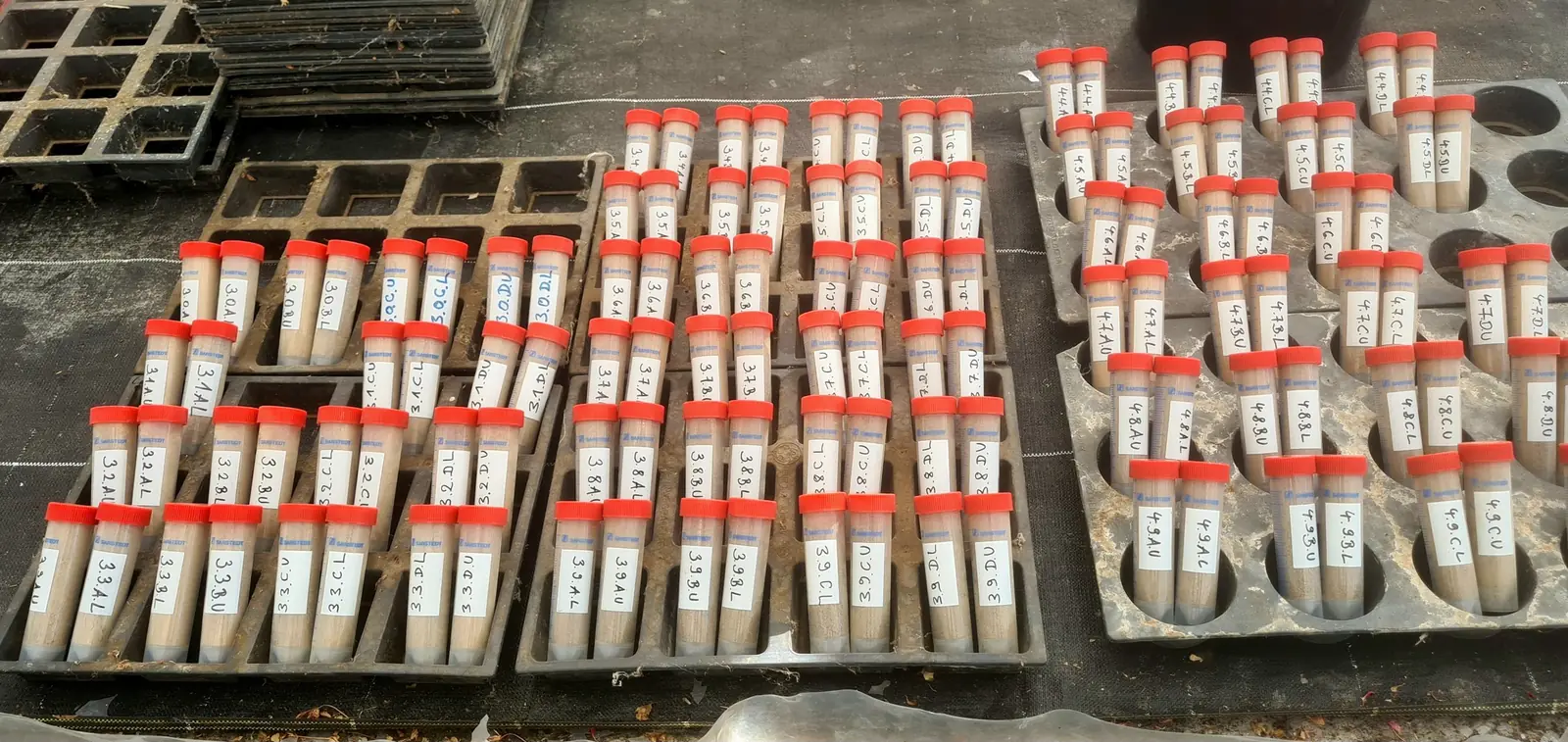
Alongside many others, we believe that enhanced rock weathering will become a crucial component of the CDR toolkit in the future. However, the CO₂ removal effects of enhanced rock weathering in soils are not yet fully understood and in-situ measurements continue to pose significant challenges. Since 2020, we have contributed to this global scientific endeavour through multiple field and greenhouse experiments with extensive data collection. Our focus is on high-frequency lab measurements and continuous 24/7 monitoring using hundreds of electronic sensors in large-scale experiments spanning several years. Our aim is to identify which soil and rock combinations are most effective, or in some cases ineffective, at CO₂ removal. There are three main field and greenhouse experiments, the latter likely being the largest ERW experiment on the planet. We publish new data and results every few weeks in our blog.
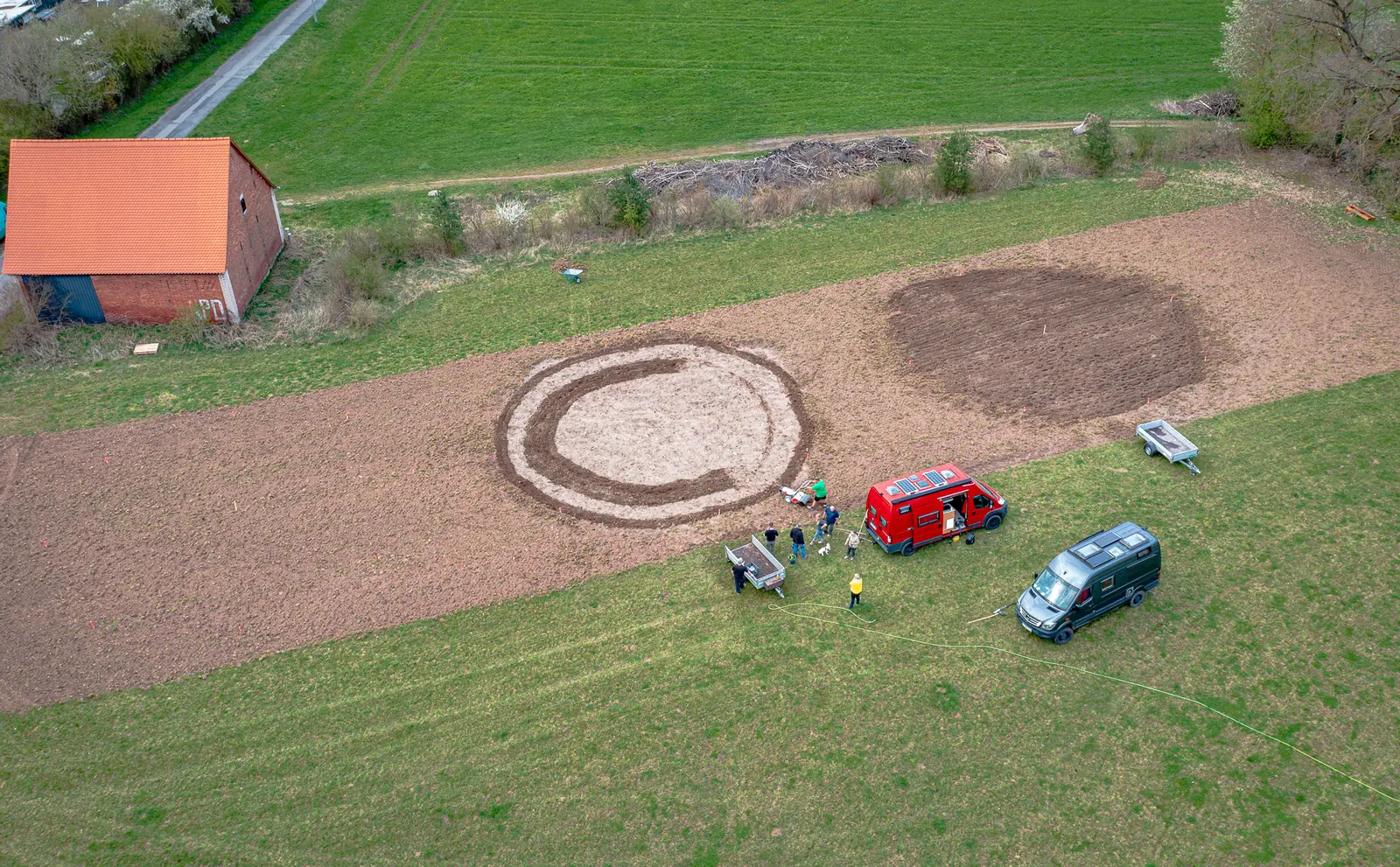
Field trials in Fürth and Greece2021 to 2025
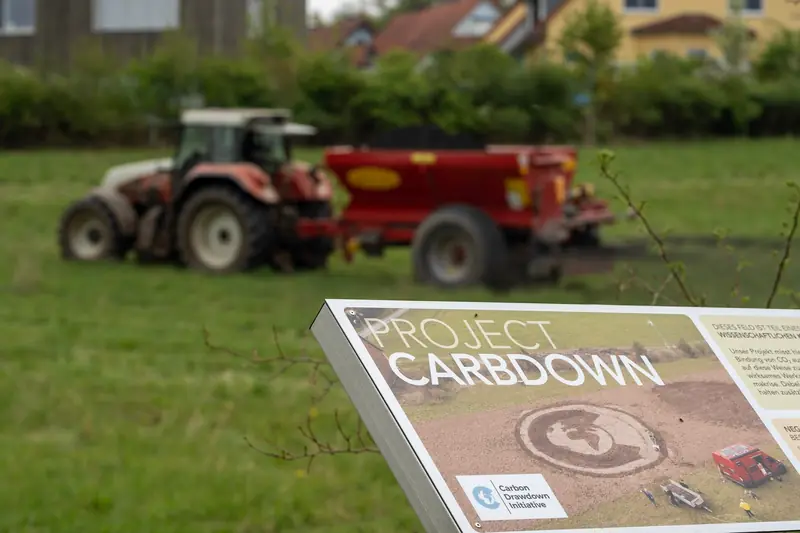
Basalt and olivine-rich rock dust spread on fields, observed by soil sensors.
XXL lysimeters in Fürthsince 2022
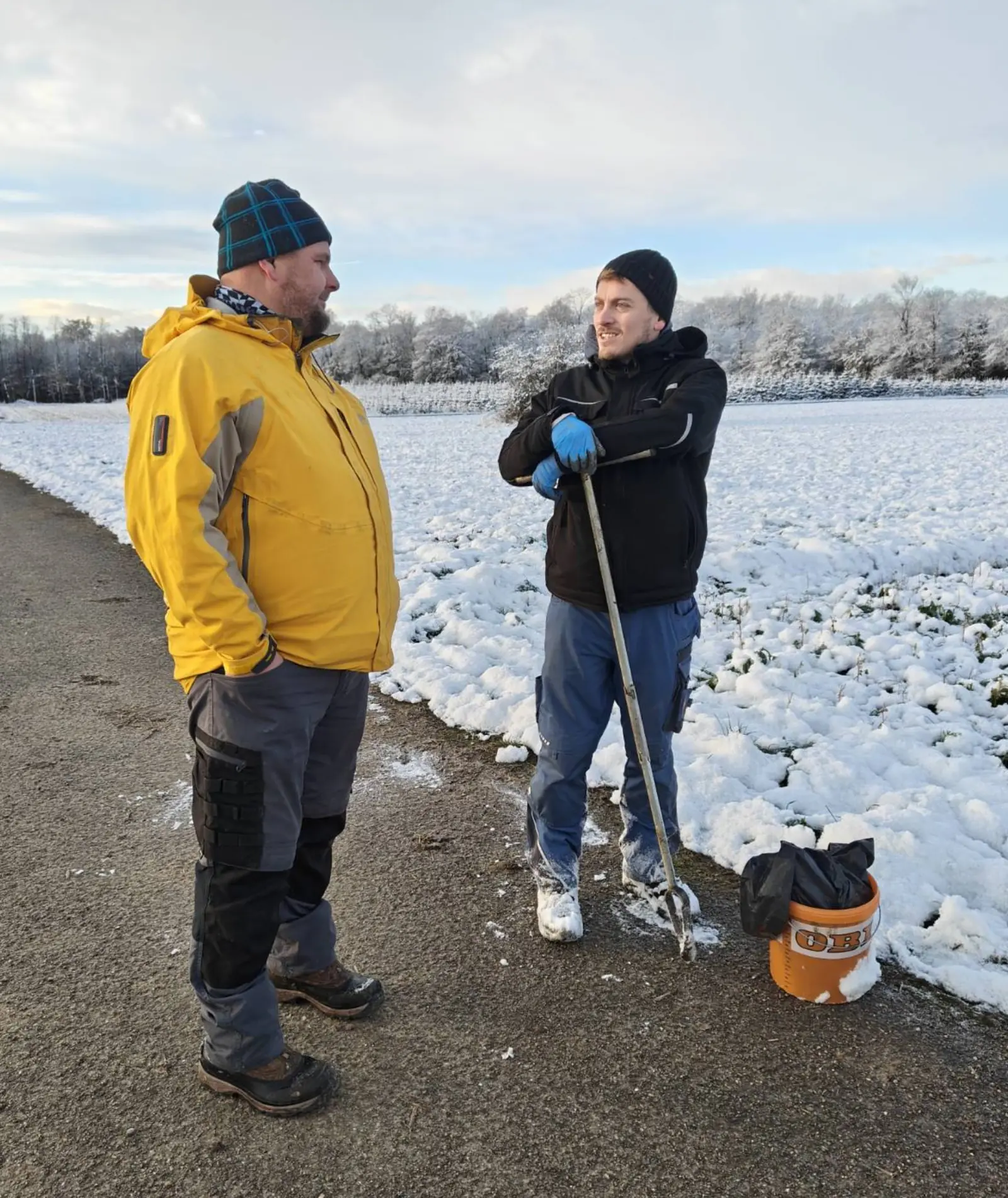
20 buried soil tanks of 300 litres, with up to 400 tonnes of basalt per hectare.
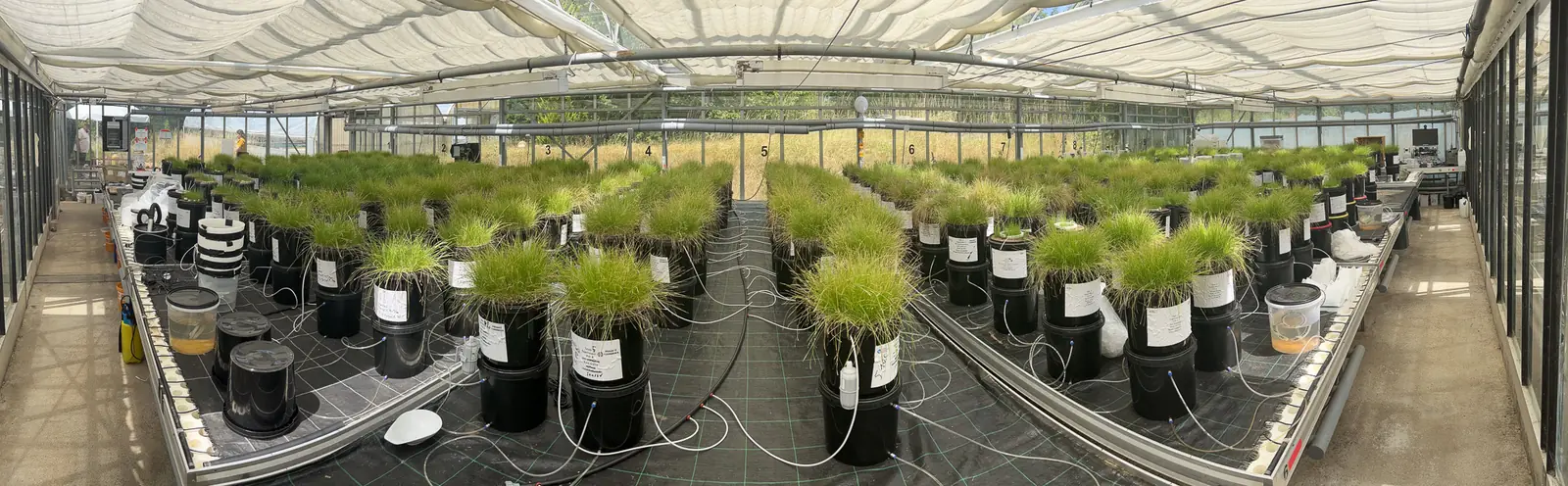
Greenhouse experiment 2023/20242023 to 2025
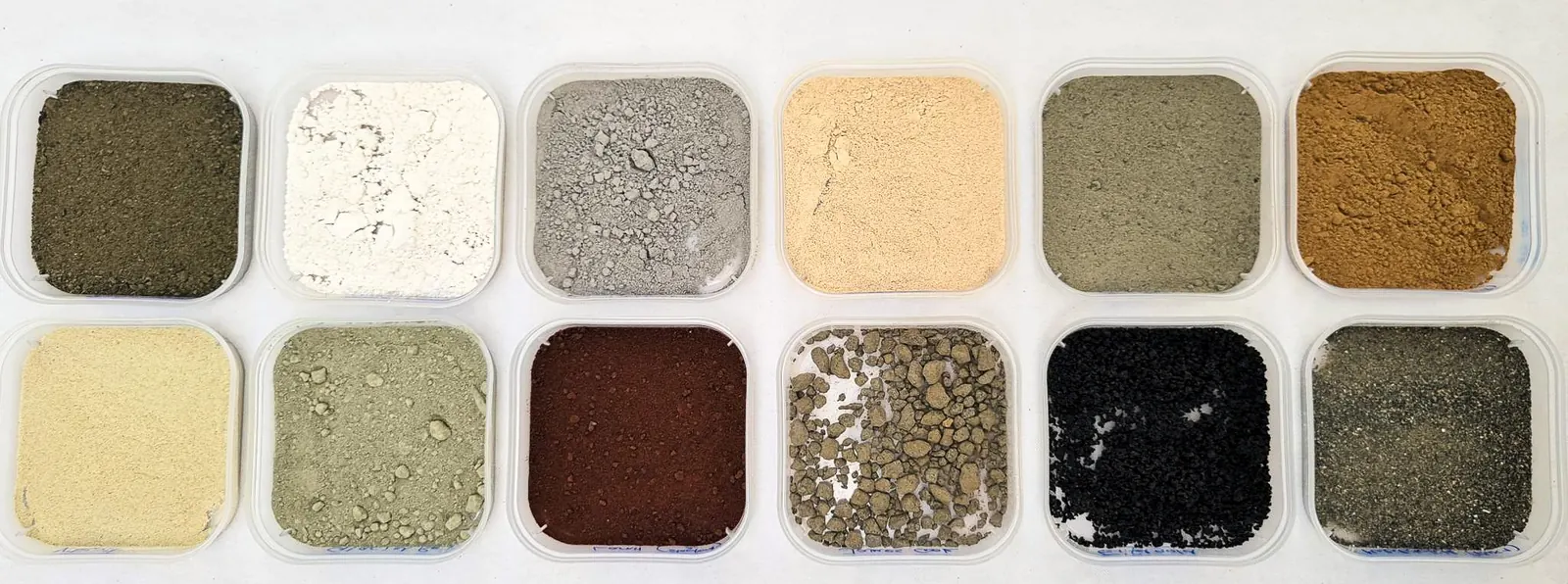
Up to 400 pots with 17 soils and 14 rock materials.
Greenhouse experiment 2025/20262025 into 2027
Designed for more than 500 pots in two greenhouses: more soils and rocks, fewer replicates.
Our experiments are conducted in partnership with scientists from the 17 universities and research institutes shown below. Our research network also includes the scientific teams of the CDR startups we have invested in.
On standards for measuring and certifying enhanced rock weathering we work closely with Cascade Climate, Isometric and the Ithaka Institute.



















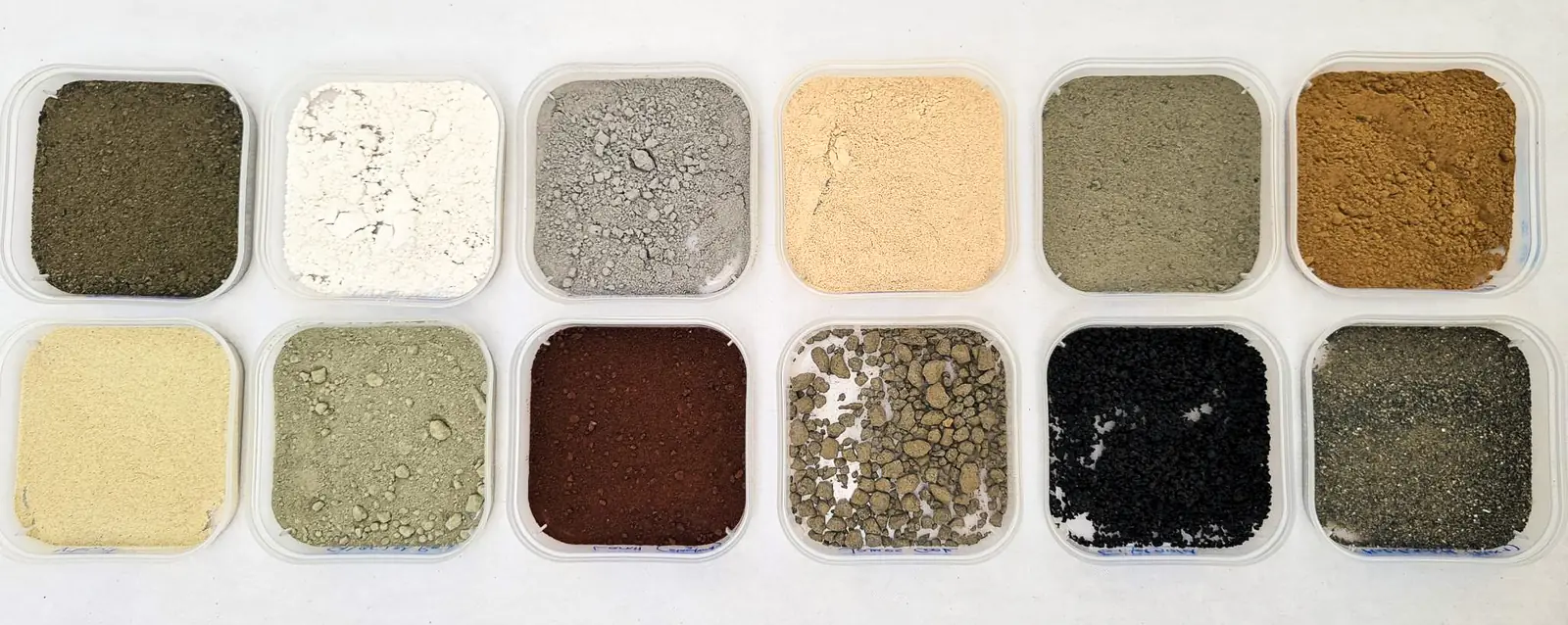
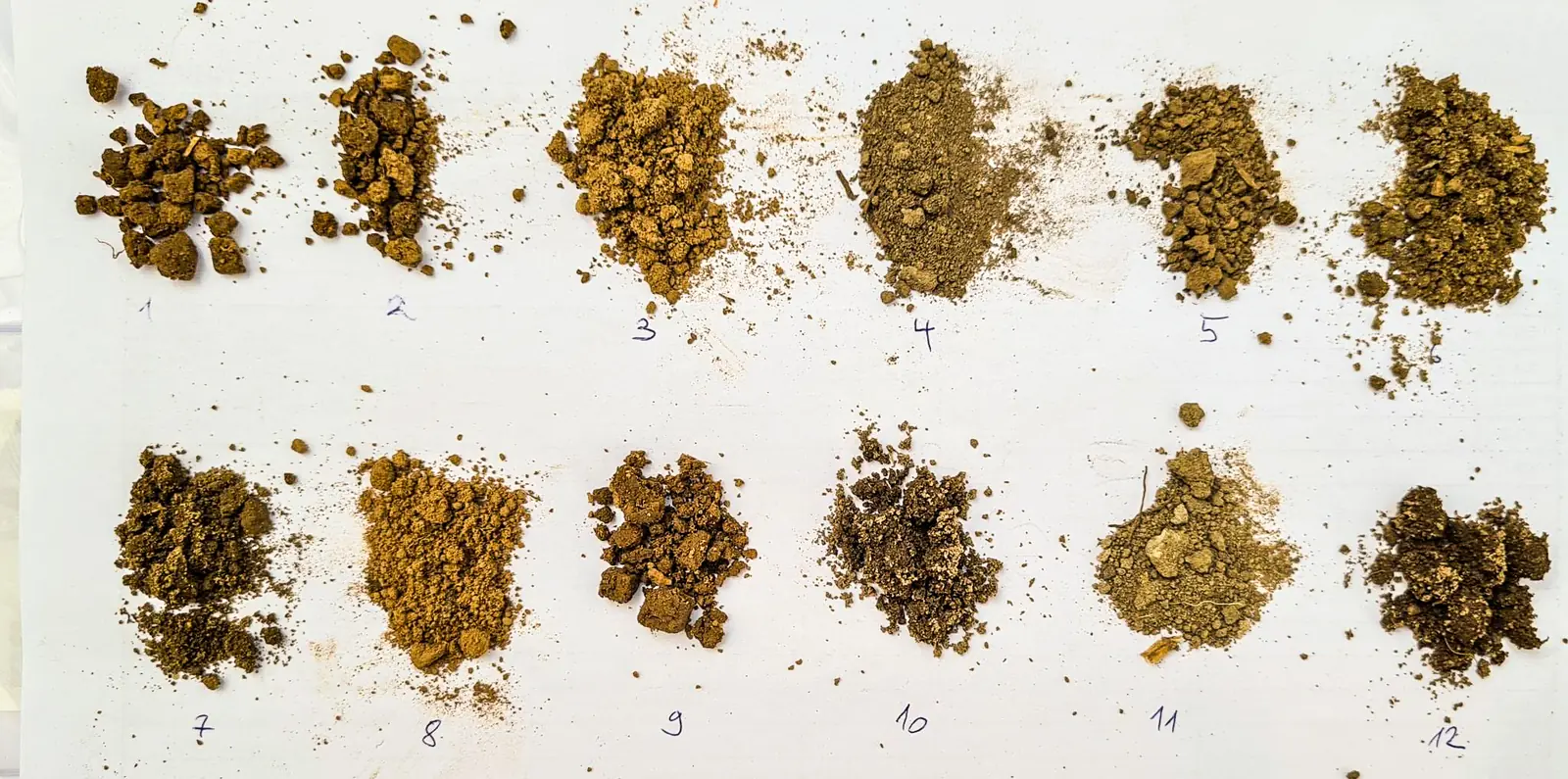
Our Experiments in Pictures
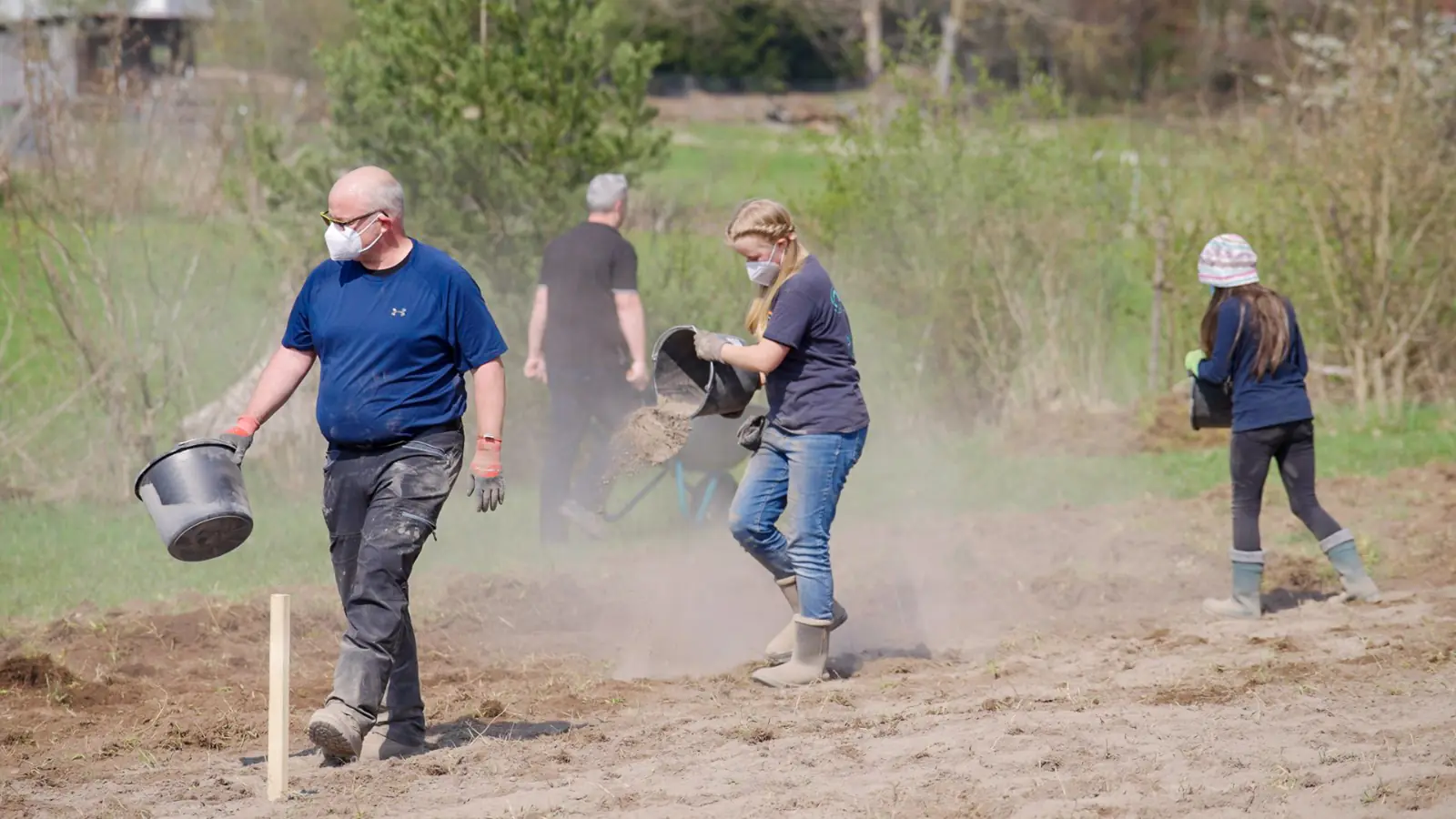
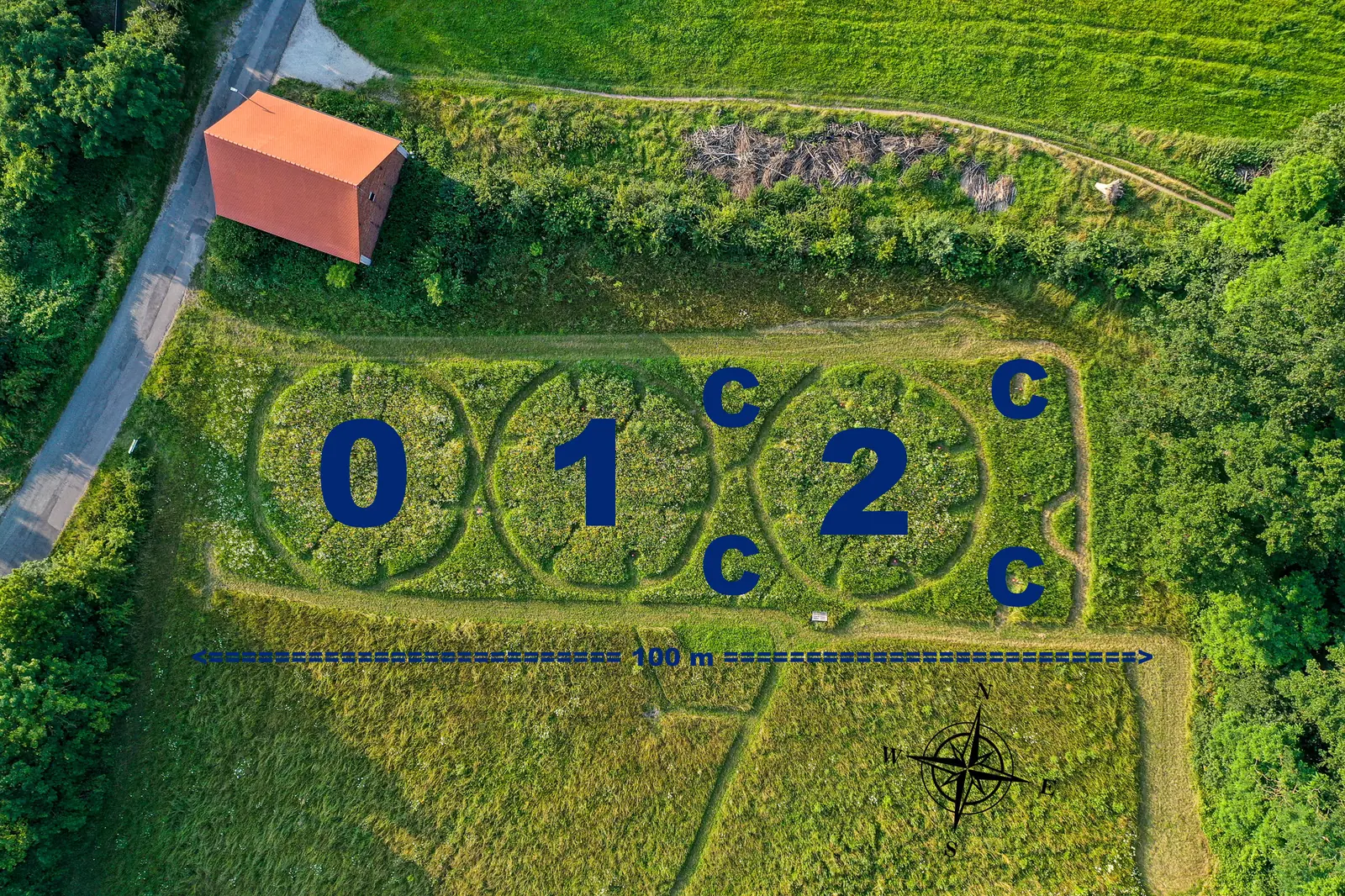
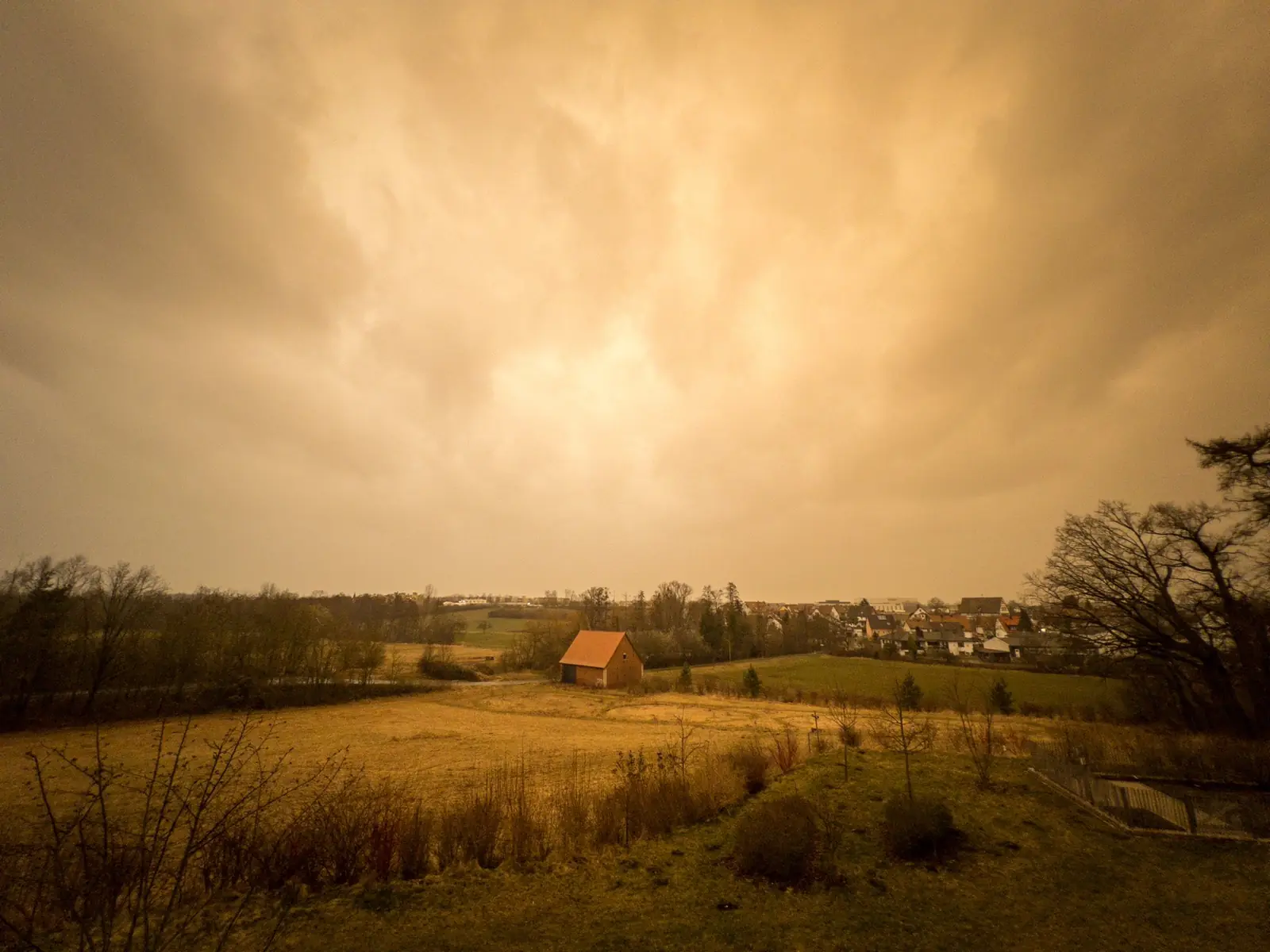
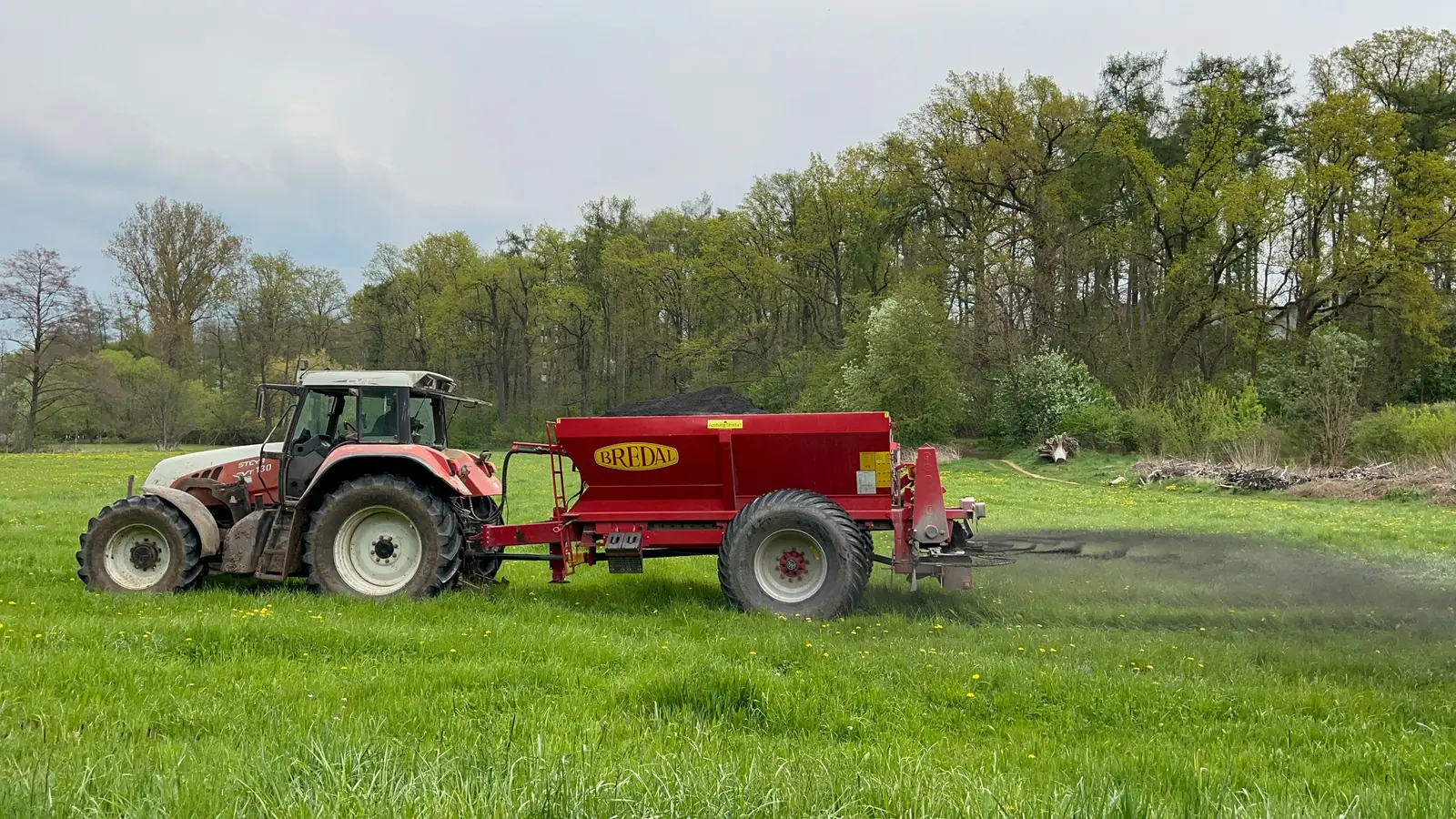
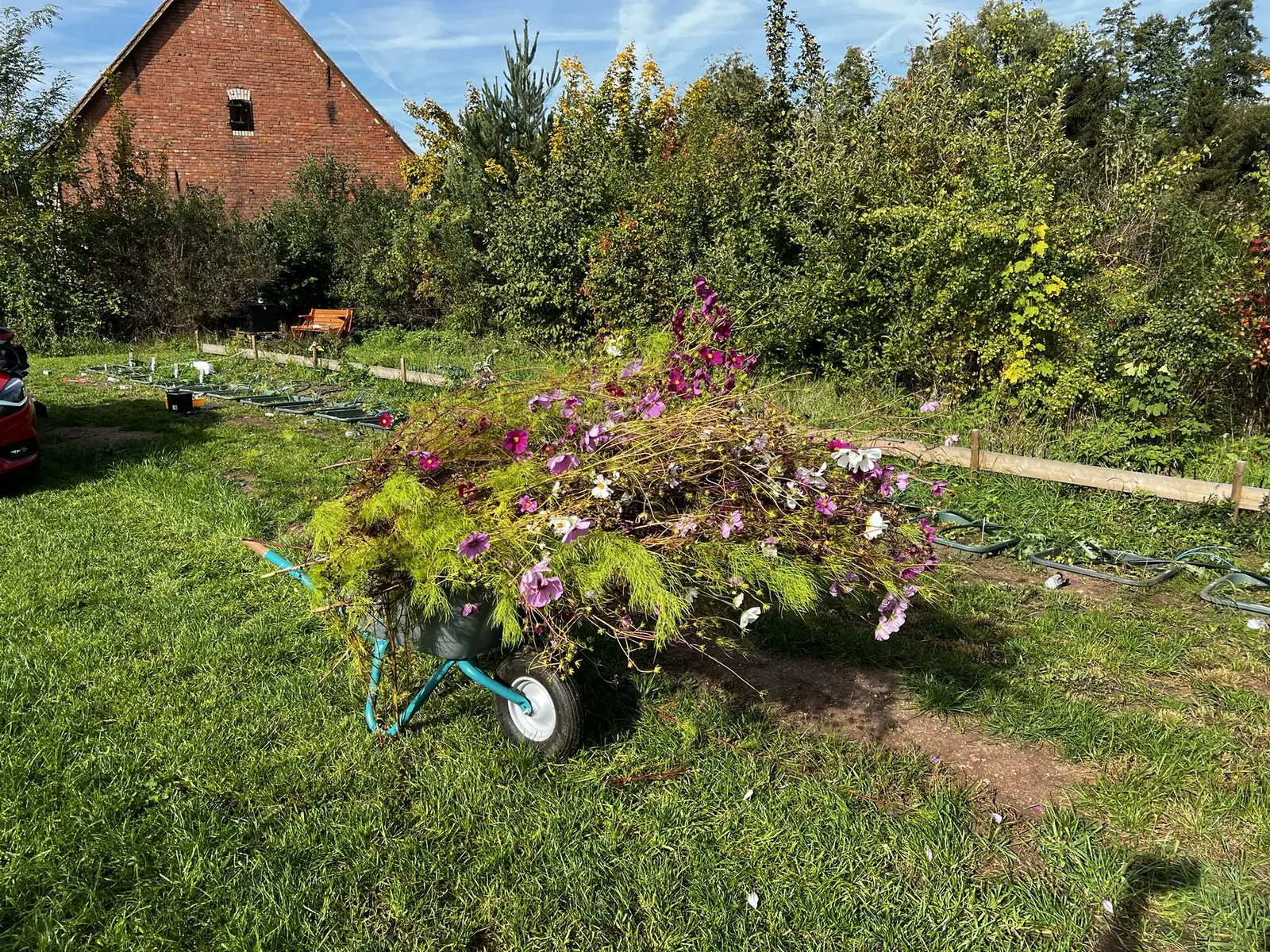
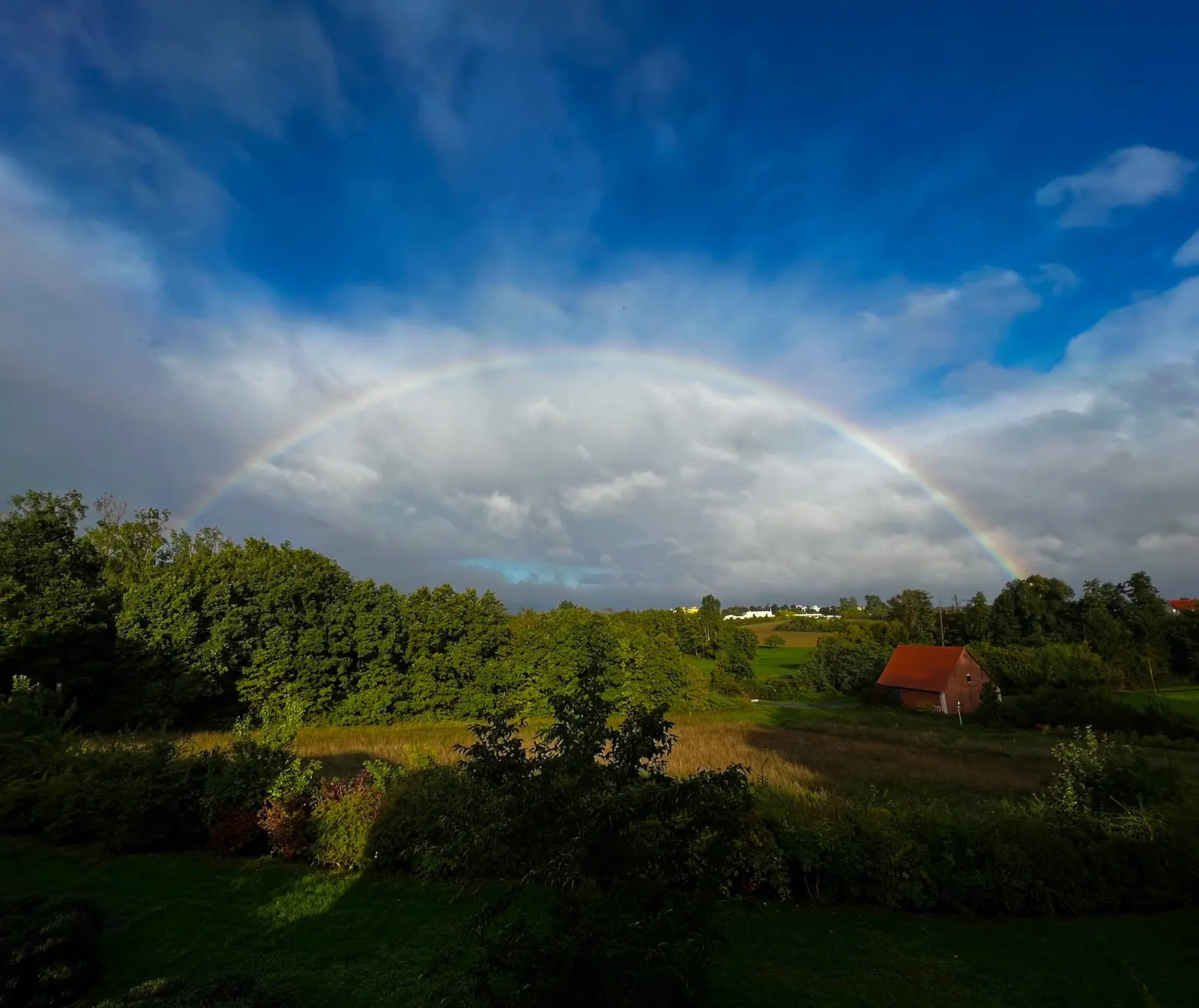
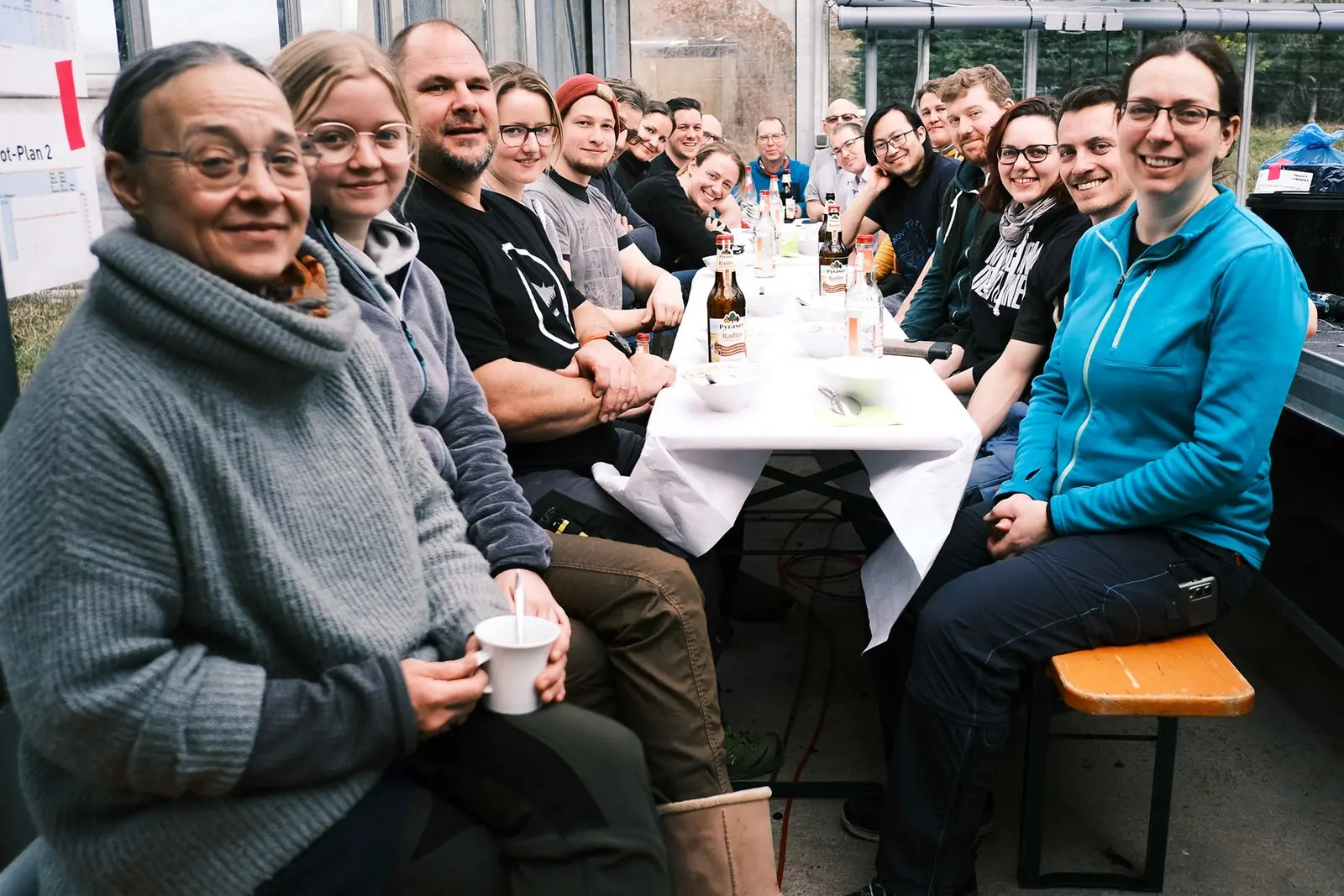
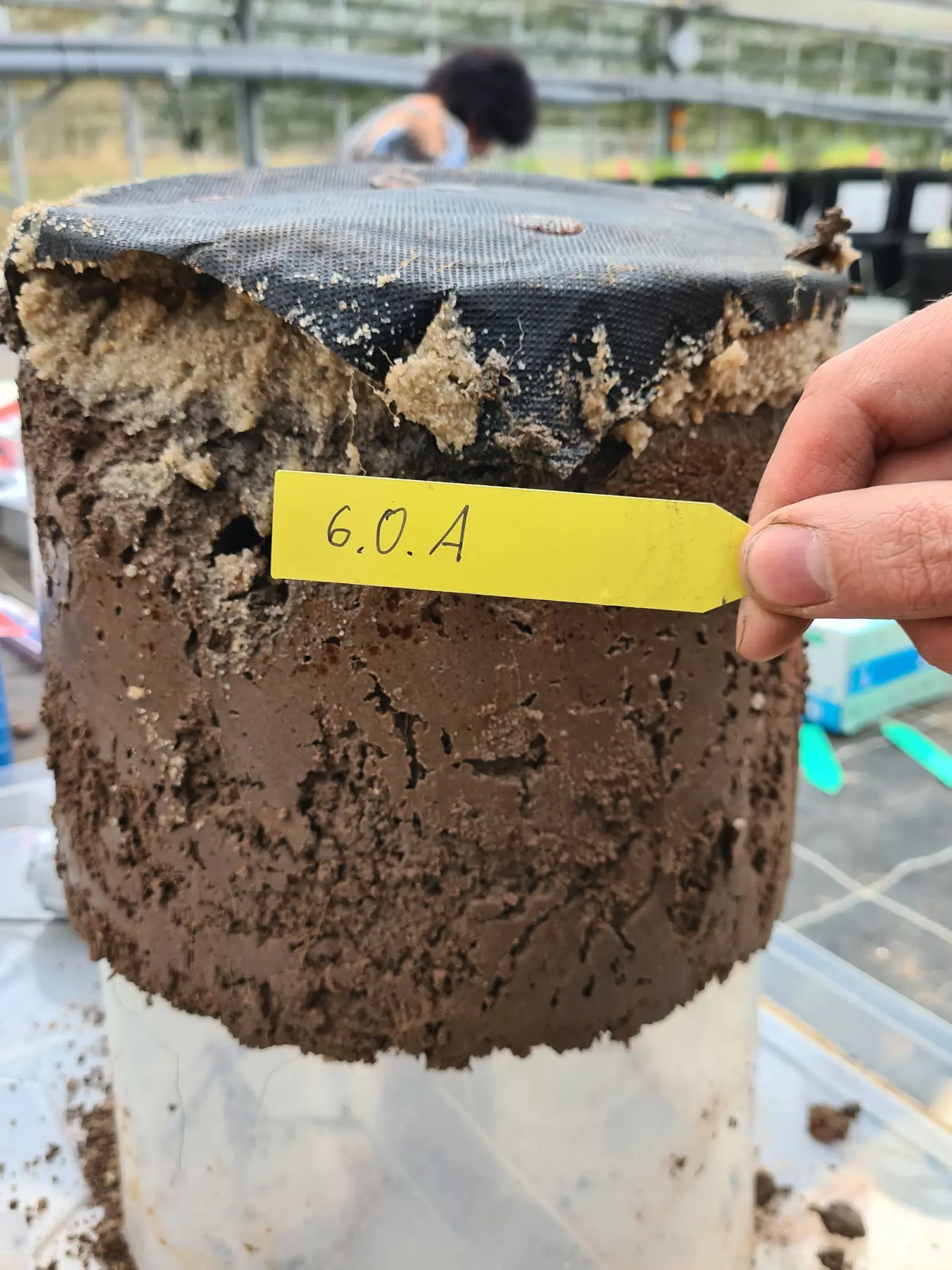
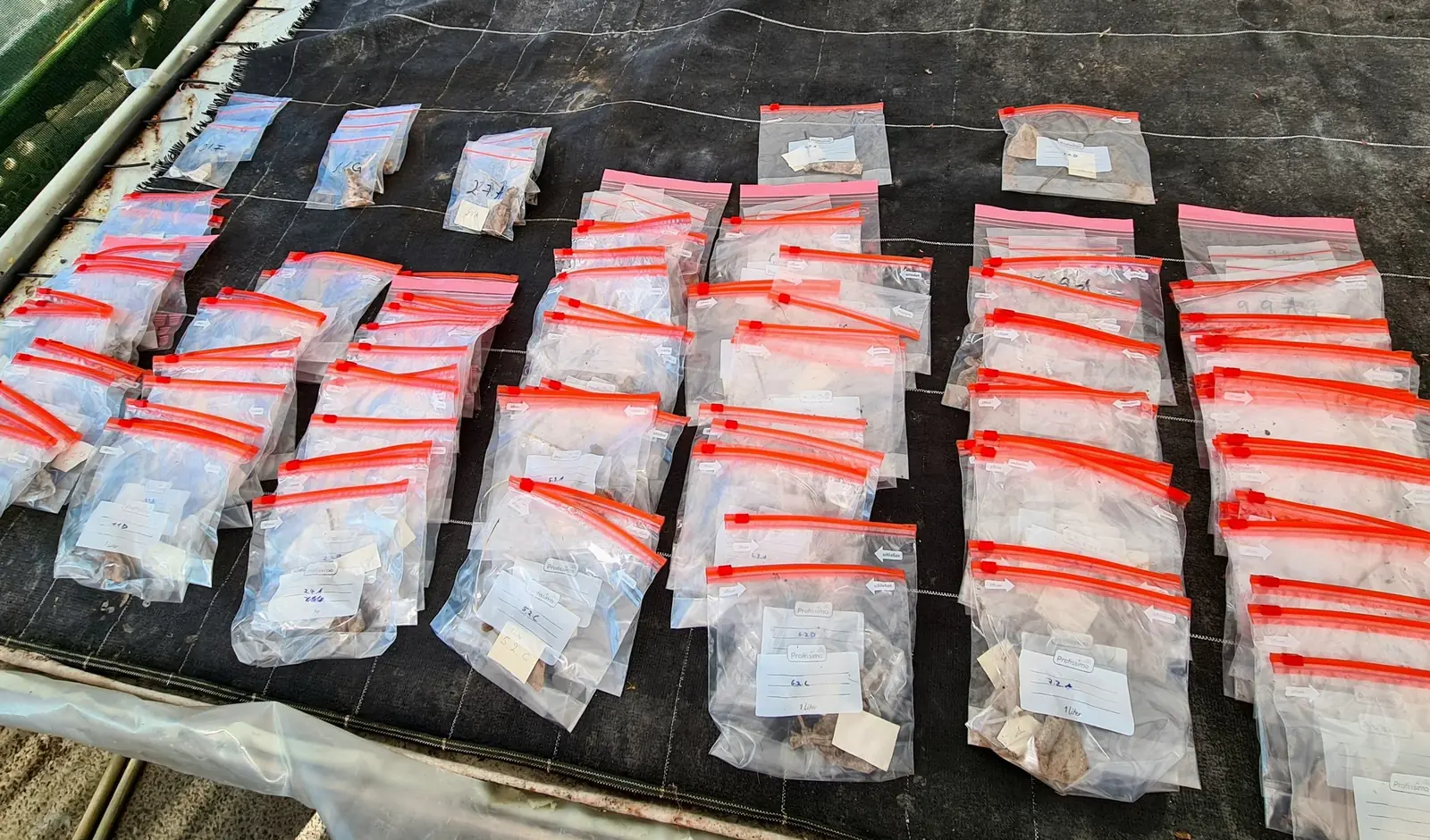
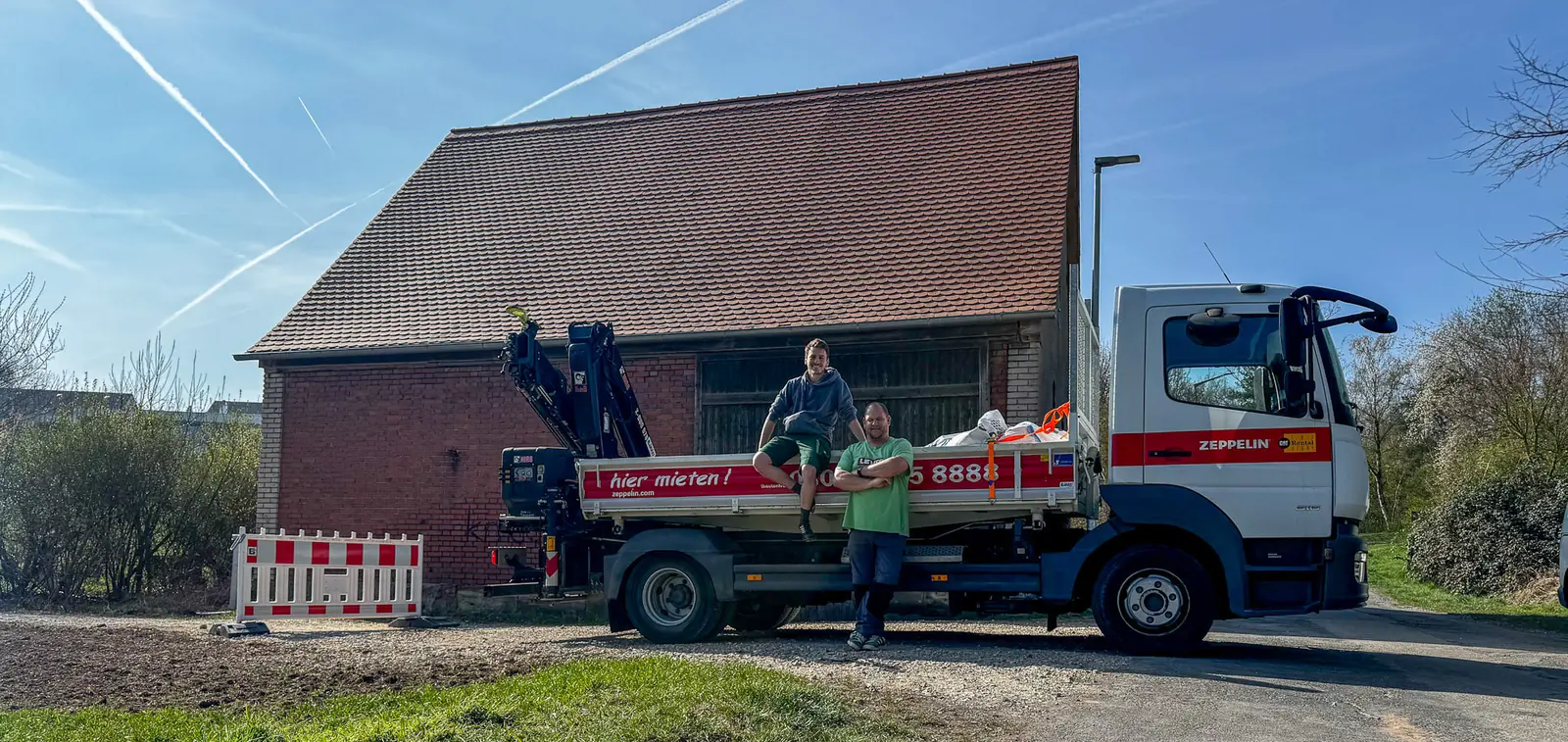
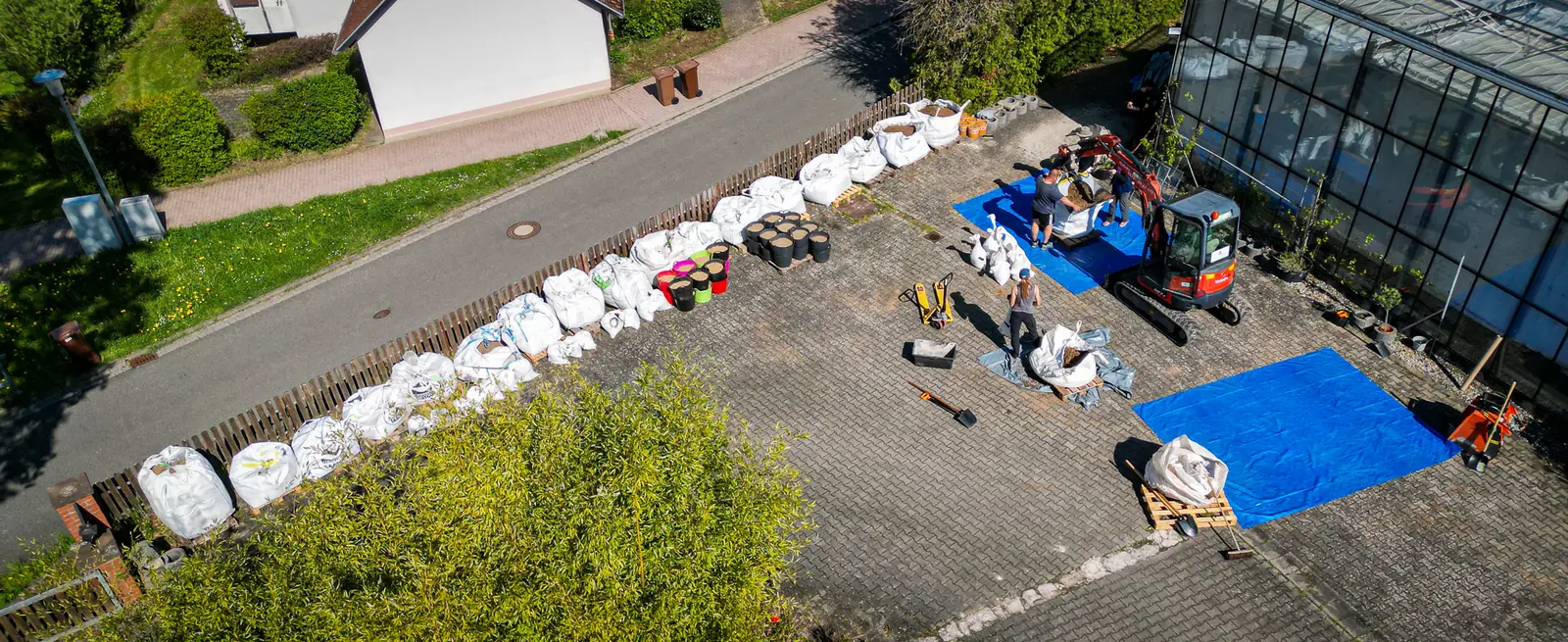
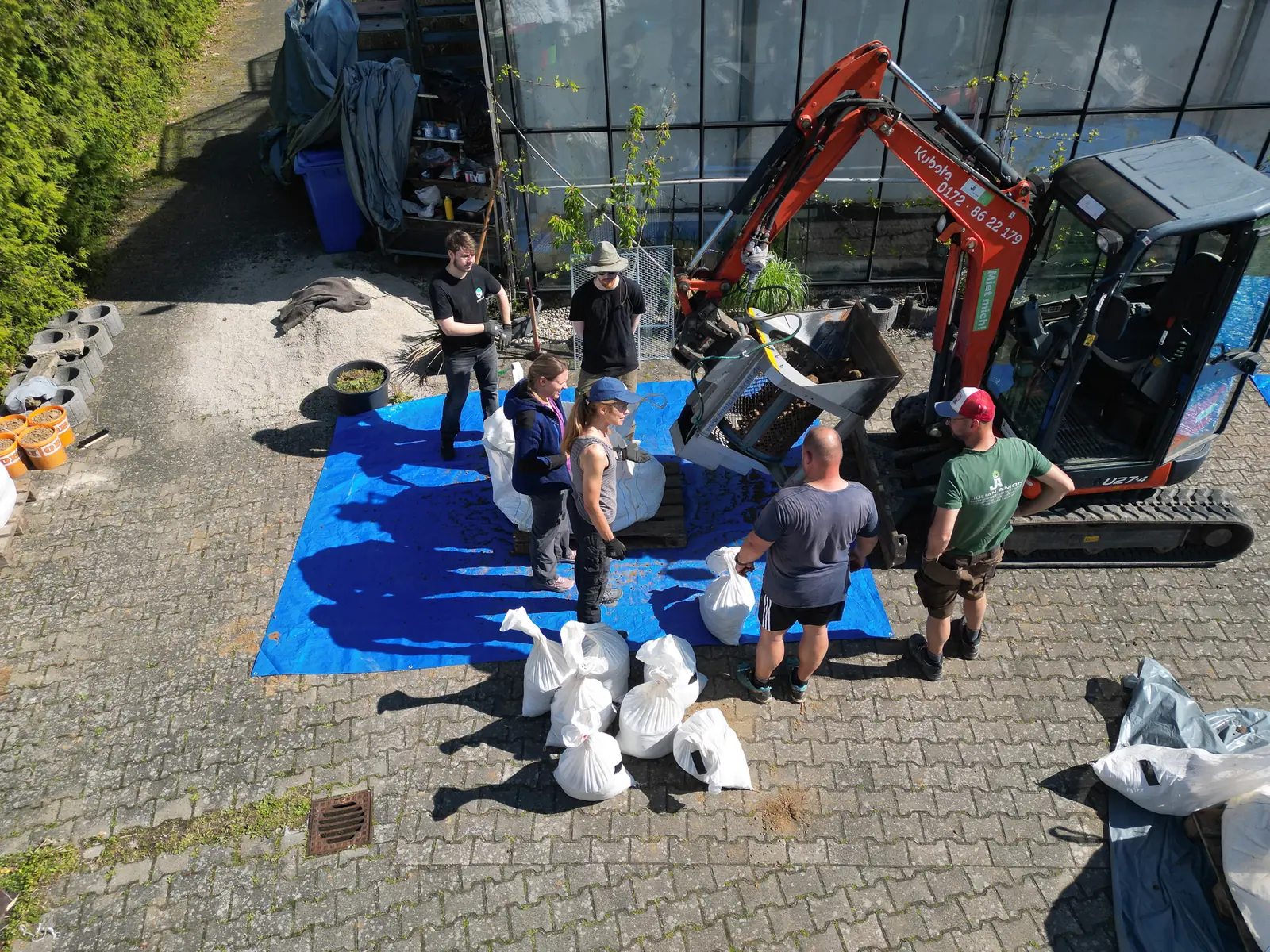
Photos from our field trials, the XXL lysimeters and the greenhouse, in the order in which it all happened. Select a photo to enlarge it. The arrows on the screen and the arrow keys take you to the next one.
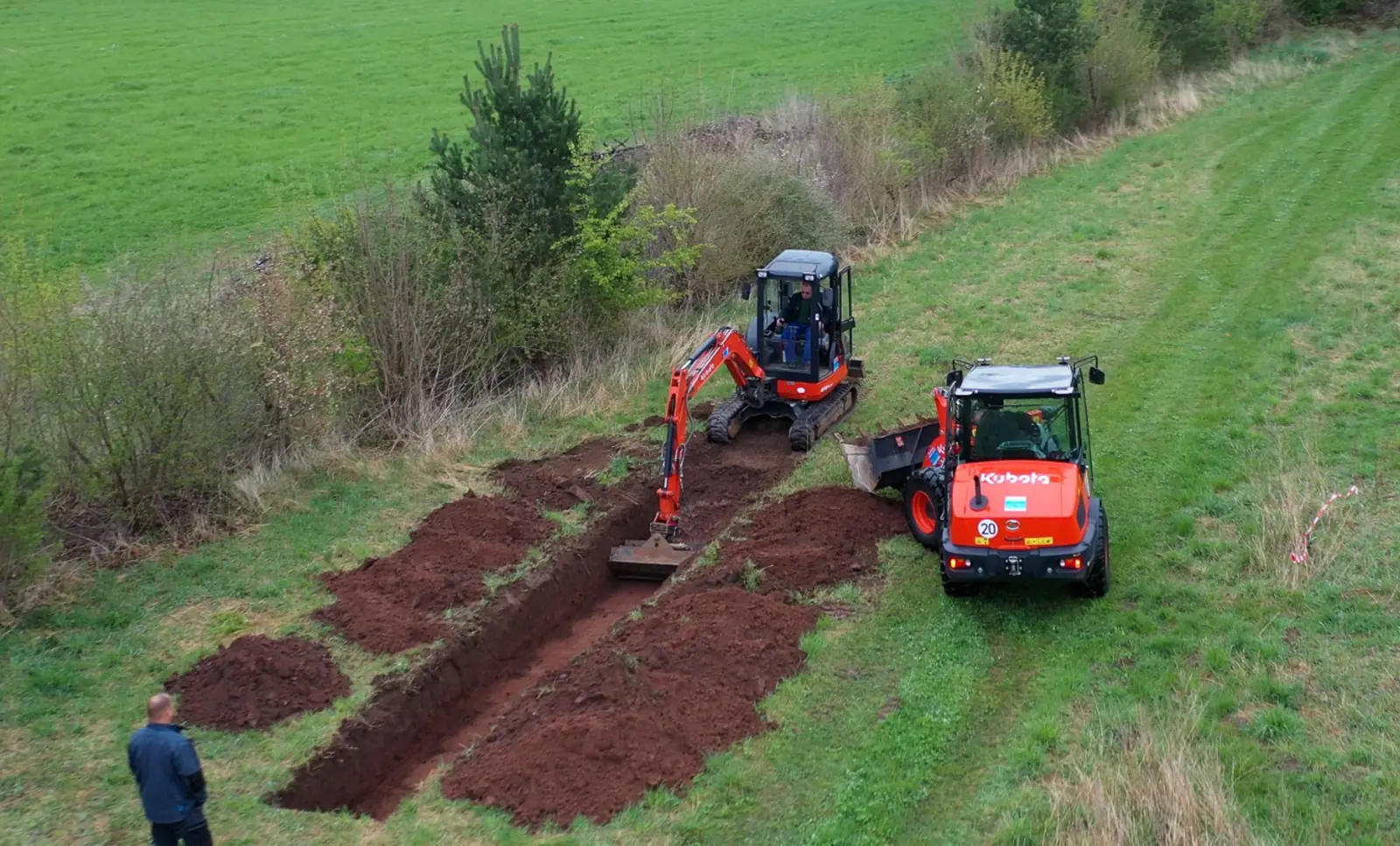
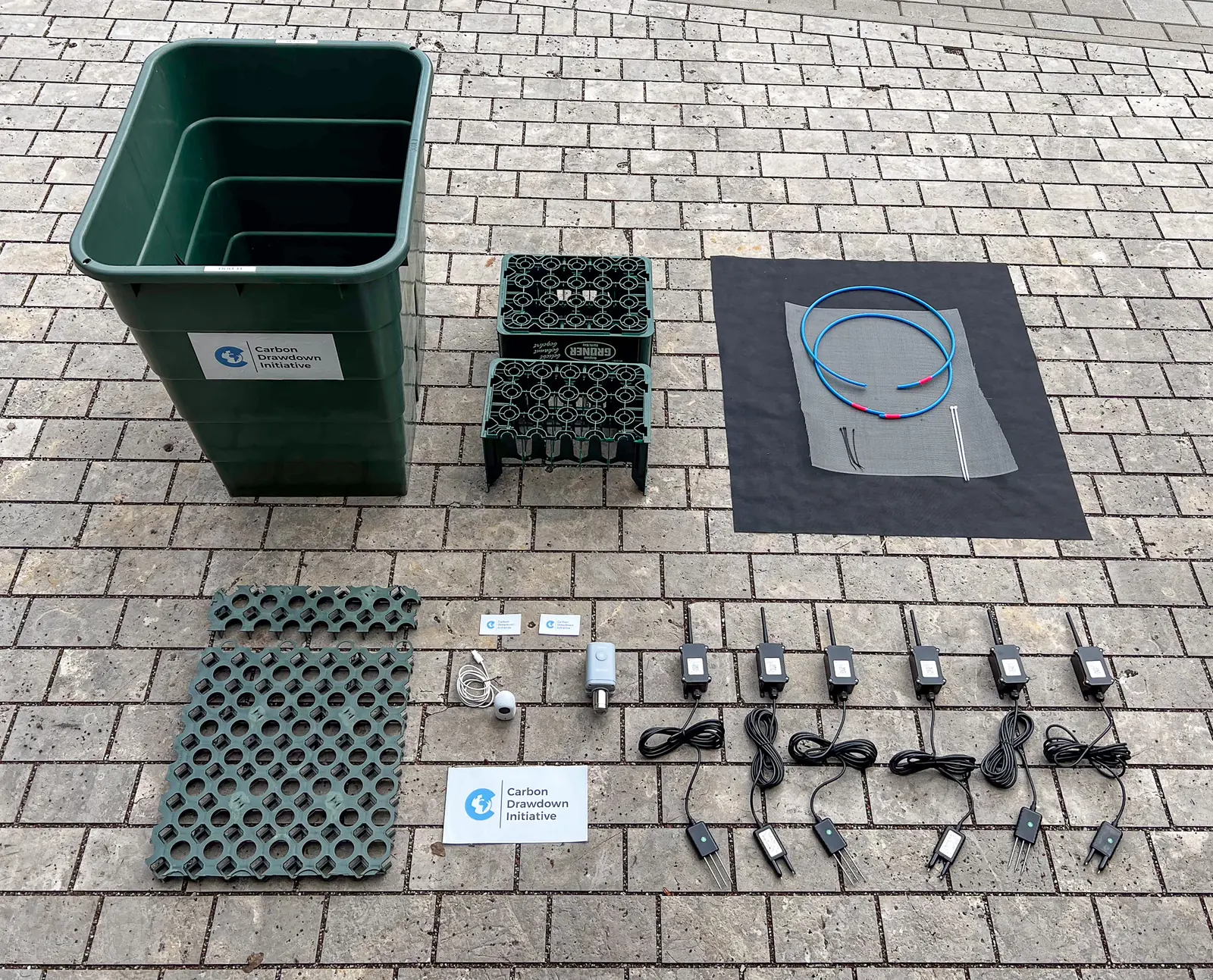
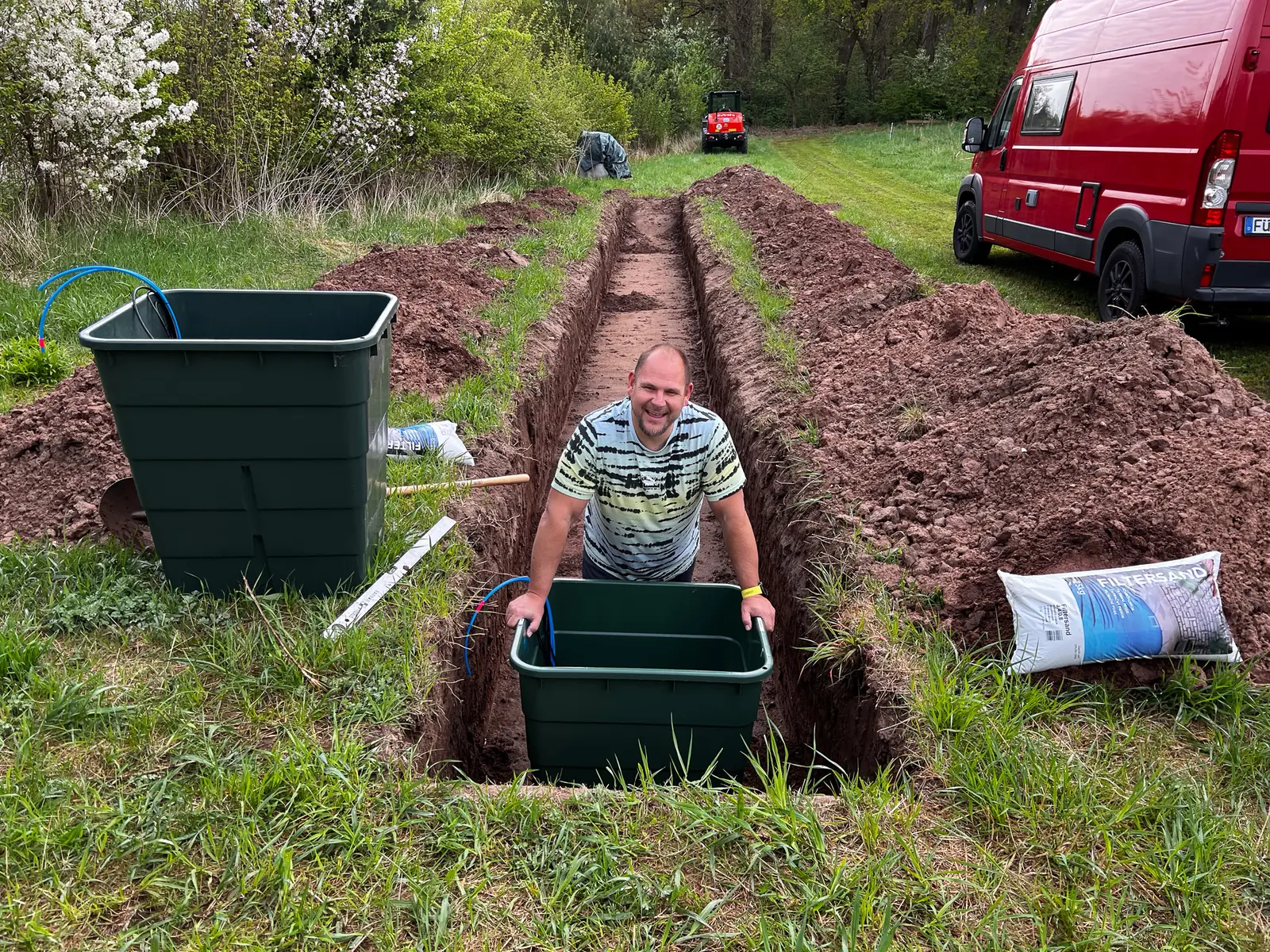
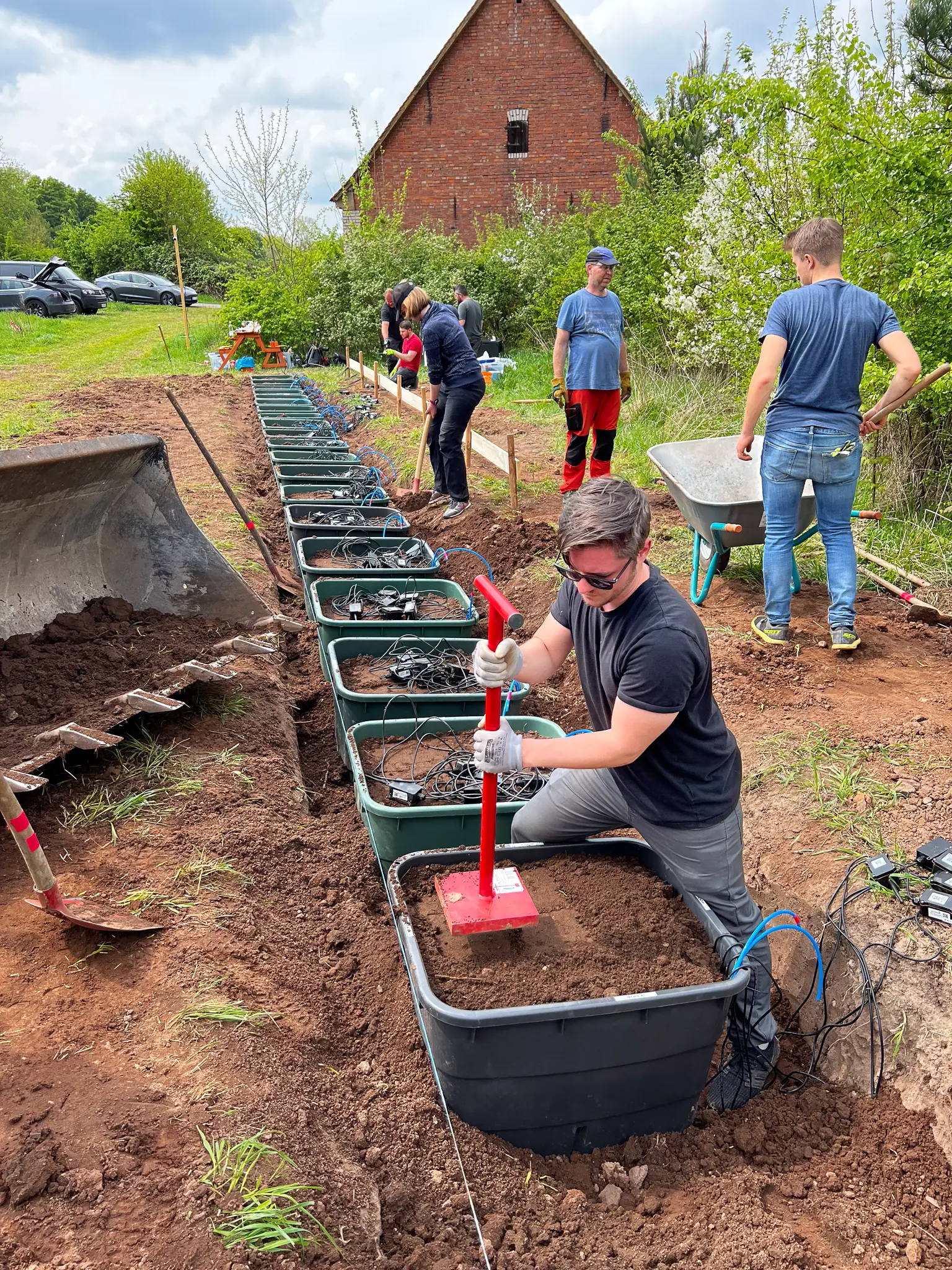
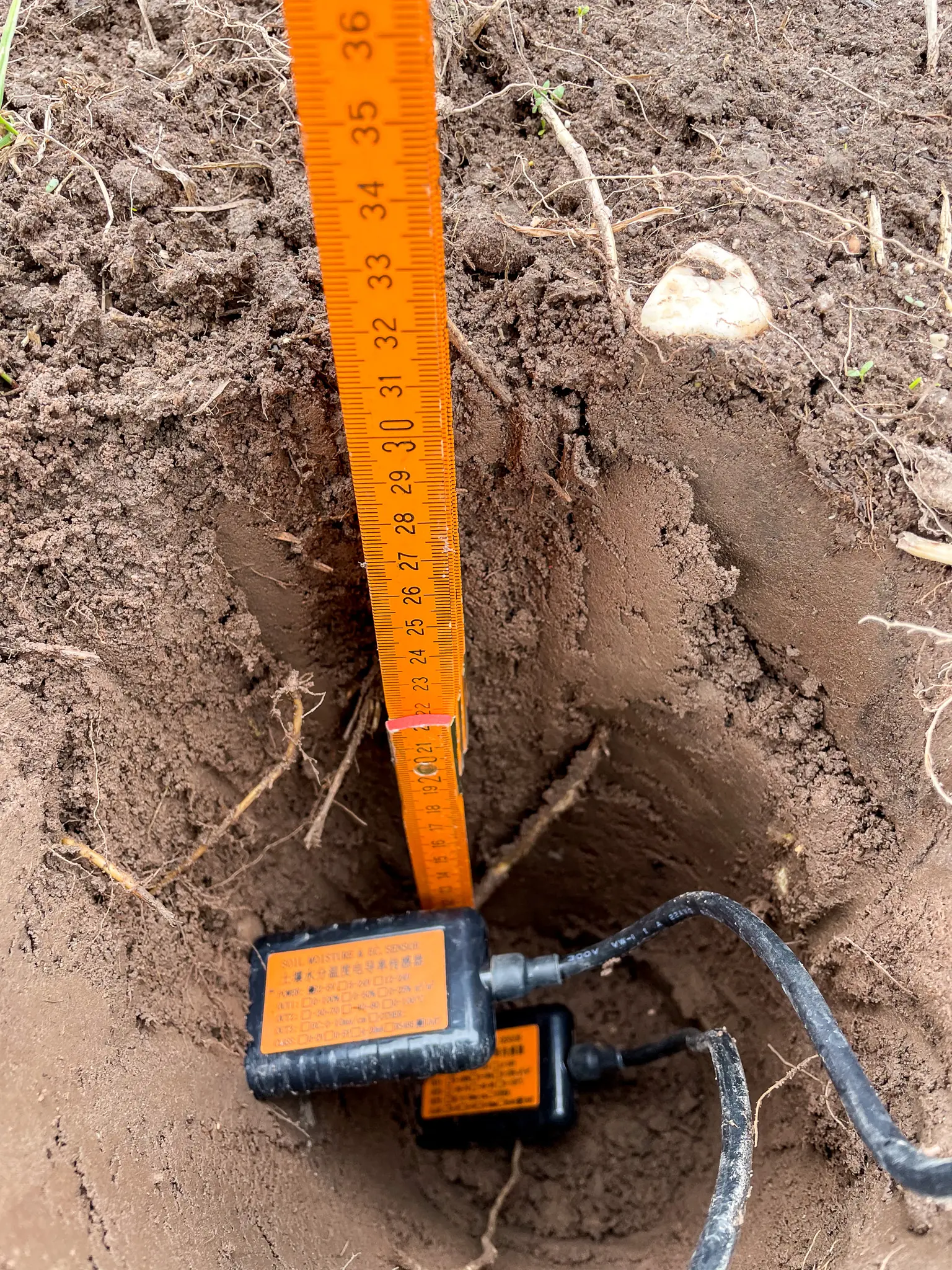
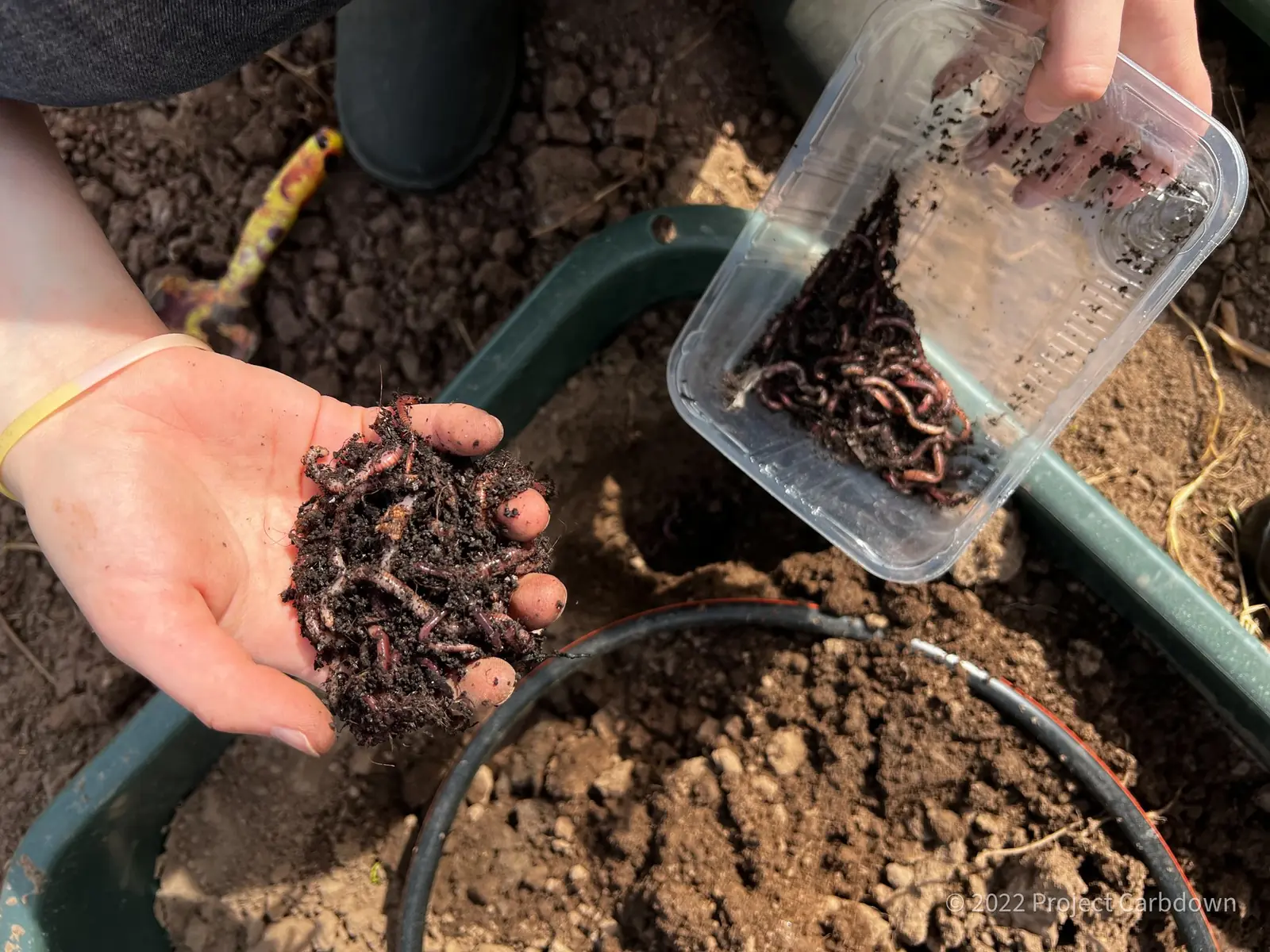
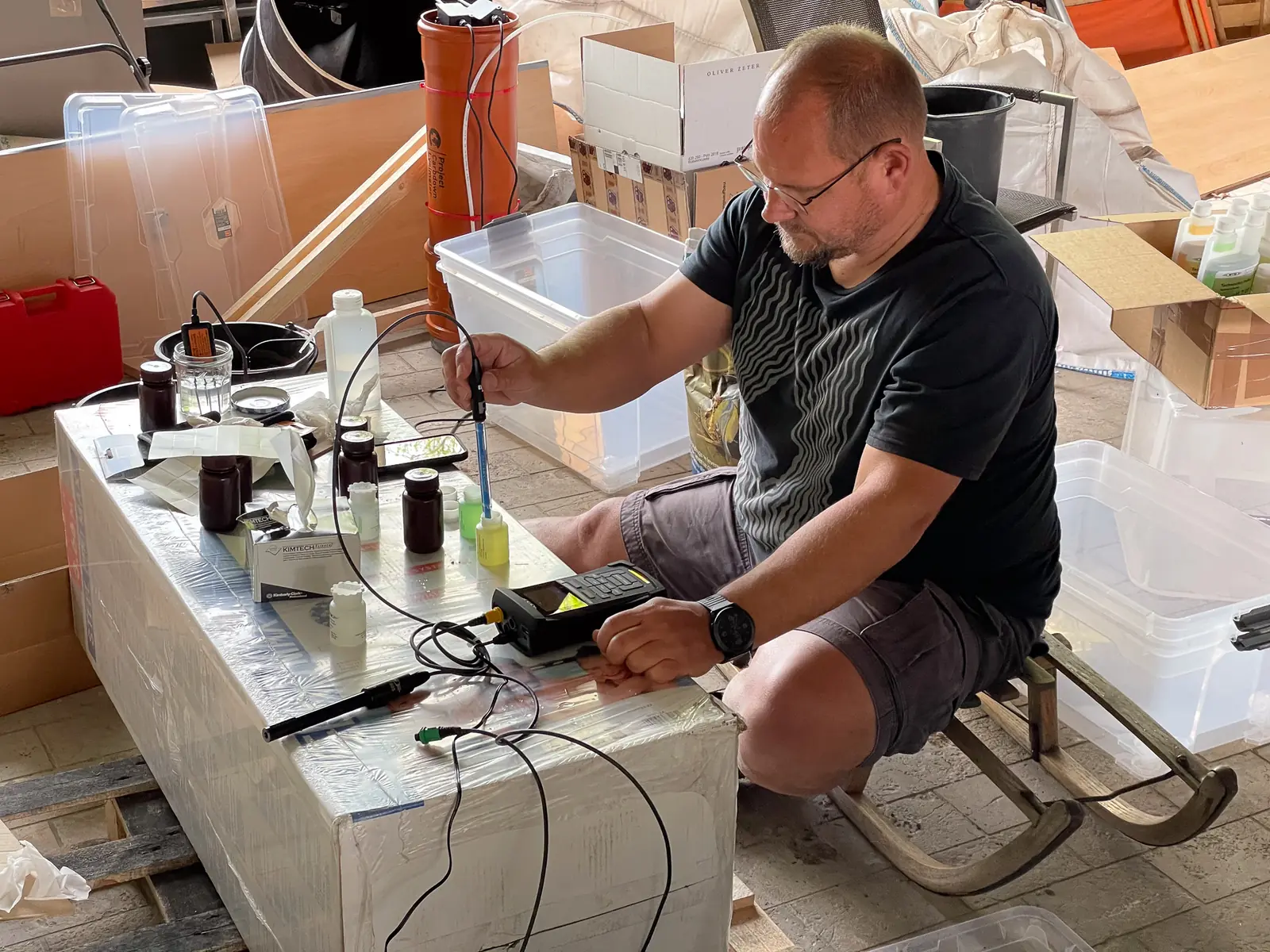
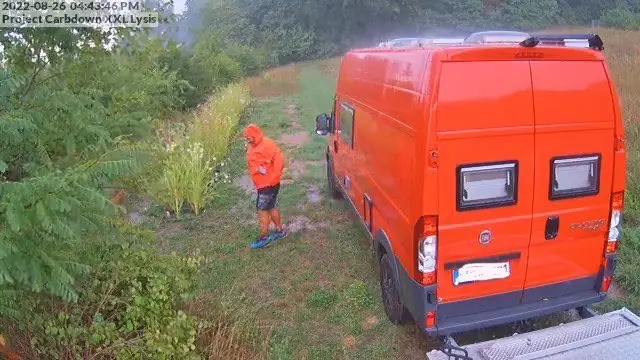
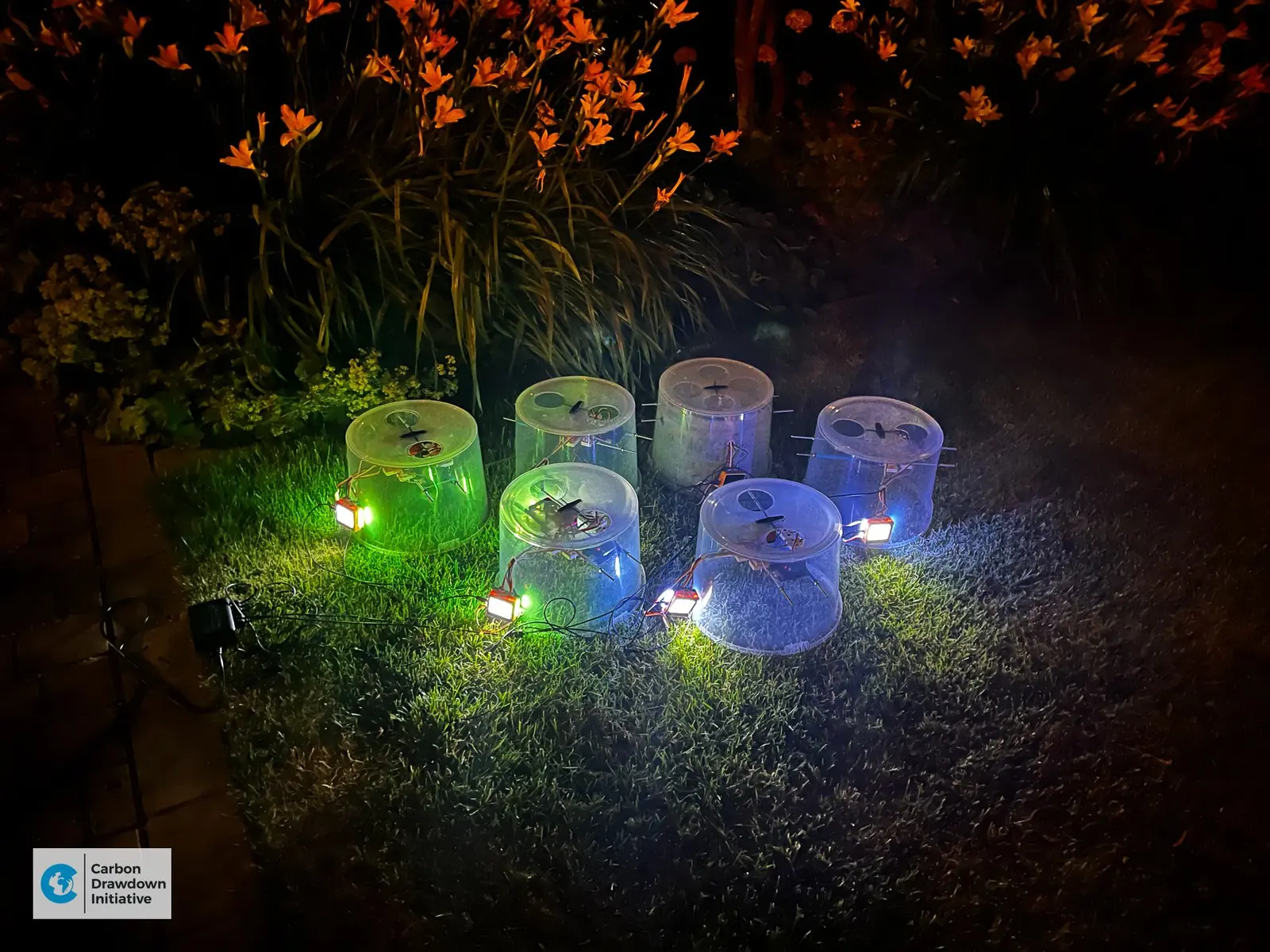
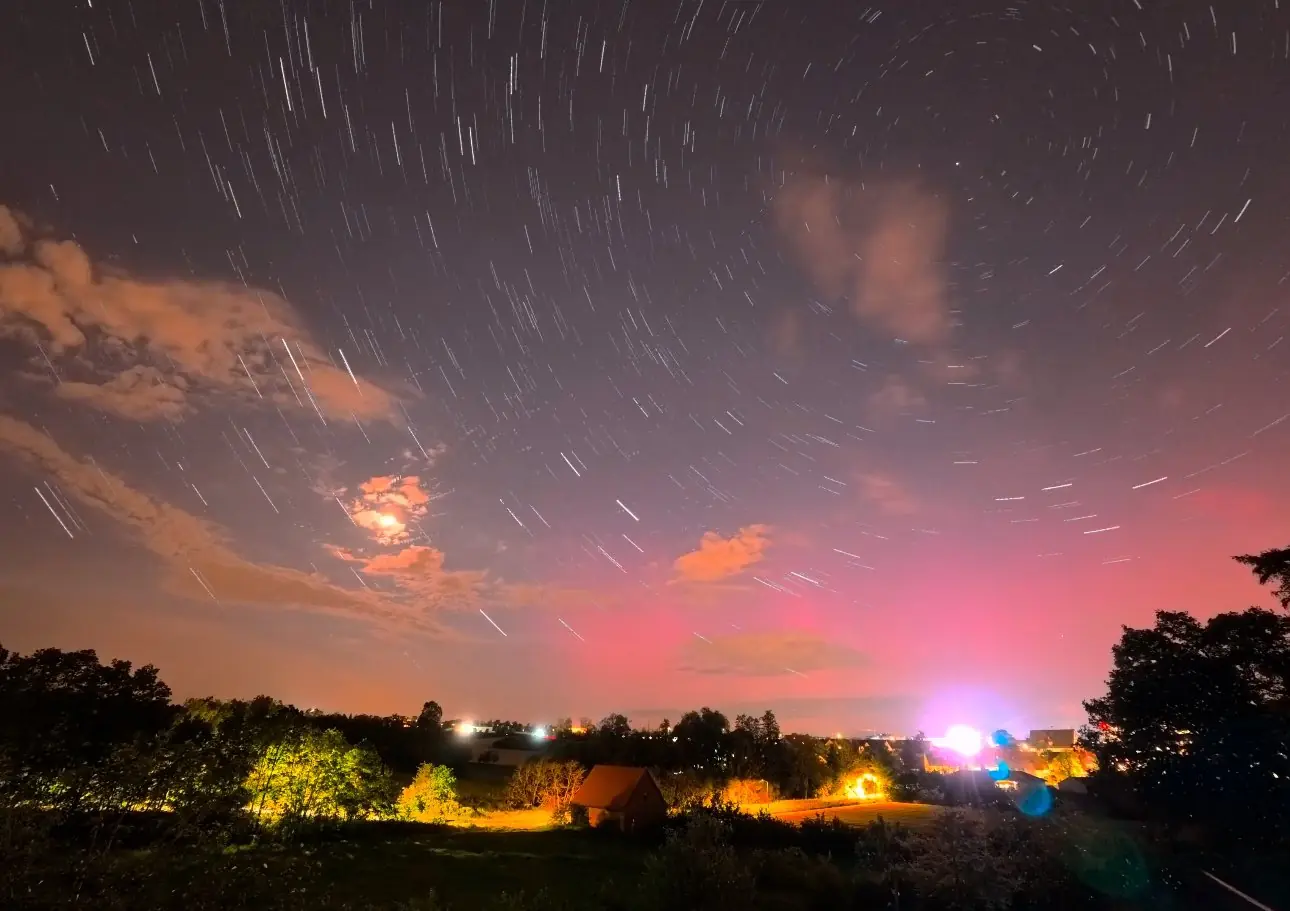
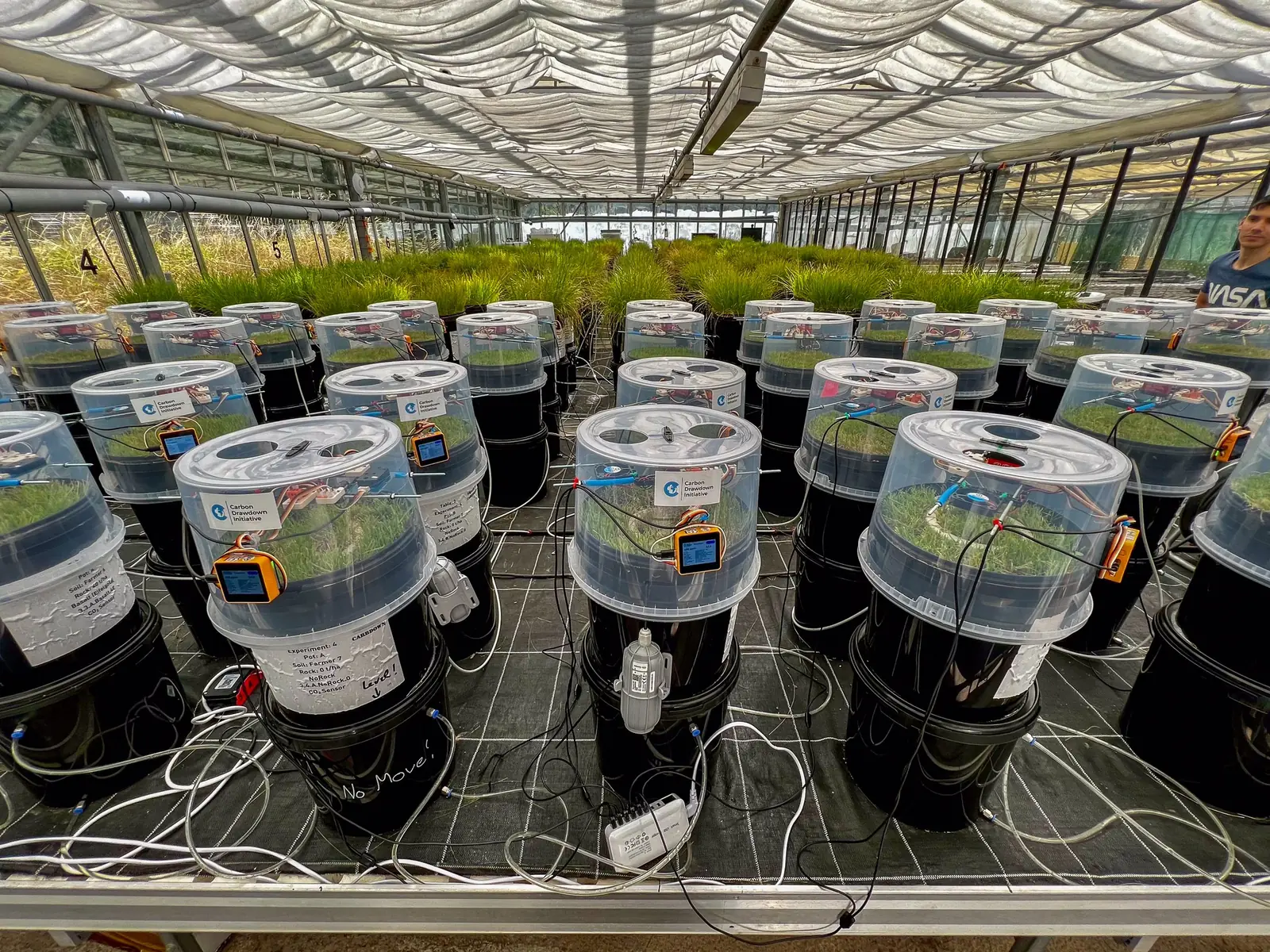
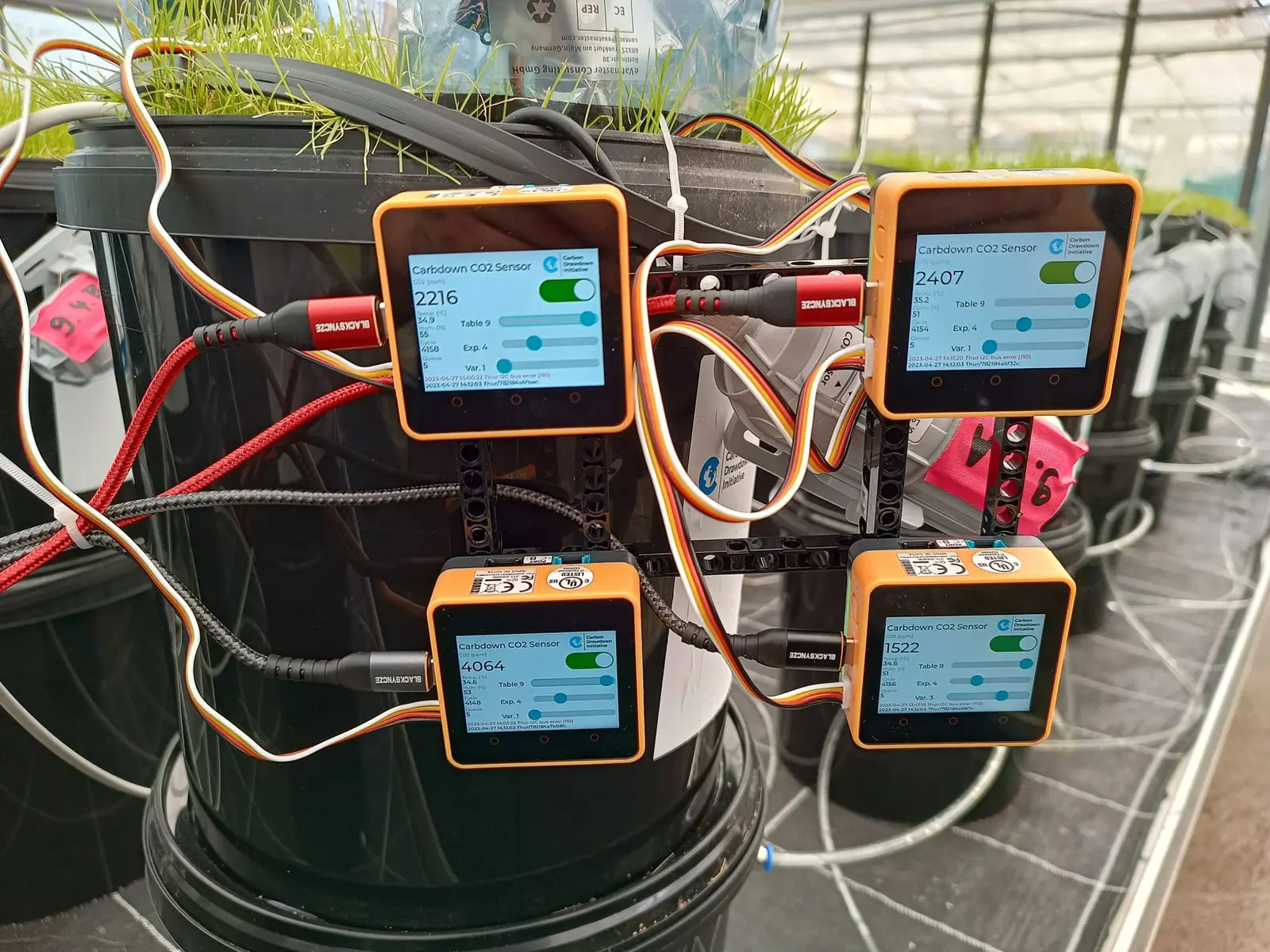
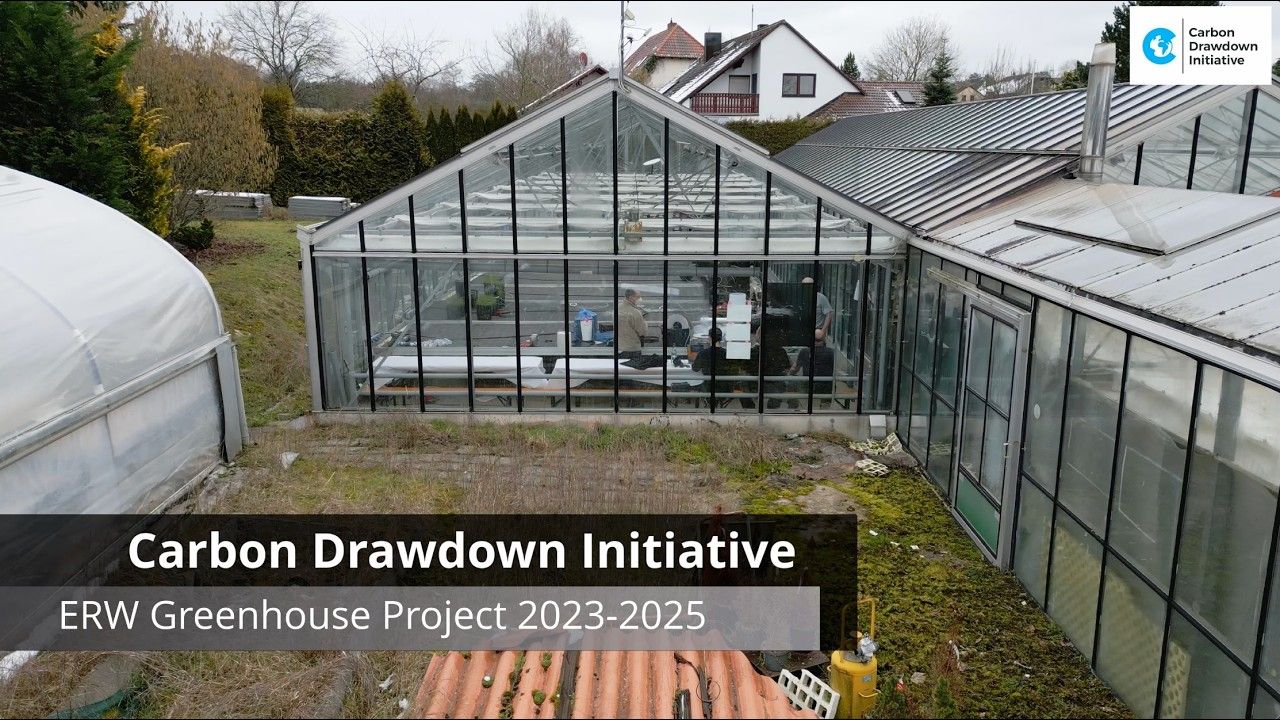
The greenhouse experiment on film
Our 15-minute documentary tells the story of the greenhouse experiment from 2023 to 2025: how we built it, what went wrong, what we found and how we took it apart again.
What We Have Found So Far
16 of 49
soil and rock combinations in our greenhouse removed at least 0.5 tonnes of CO₂ per hectare per year. Two years of greenhouse data
1,400 days
outdoors, and our 20 lysimeters show no significant sign that basalt removed extra CO₂ (and our specific soil is the reason). The lysimeter series
More than 10 times
more of the weathering products stayed in the two soils we examined in detail than left with the water. Our preprint on alkalinity
0.95
correlation between cheap conductivity sensors and alkalinity across the whole dataset, but not for every single soil and rock combination. The MRV proxy series
Open Data and Papers
Our results can be checked: the data, code and figures behind them are public.
- Data Greenhouse experiment, 2023 to 2024: data on GitHub, DOI 10.5281/zenodo.18360183
- Data XXL lysimeter experiment in Fürth, 2022 to 2026: data, code and figures on GitHub, DOI 10.5281/zenodo.21216439 (CC BY 4.0)
- Paper Bijma et al. (2026): Carbon vs. cation based MRV of Enhanced Rock Weathering and the issue of soil organic carbon. Biogeosciences. Our summary
- Preprint Hammes et al. (2025): Soil processes govern alkalinity and cation retention in enhanced weathering for carbon dioxide removal. EGUsphere. Our summary
The three areas of our work
1. Scientific Research
Field and greenhouse experiments on enhanced rock weathering since 2020.
This page
2. Policy Advocacy
Four organisations we co-founded or support, in Brussels, Berlin, Delhi and worldwide.
3. Impact Investments
Early-stage investments in more than 30 carbon removal companies since 2020.