Carbon Drawdown Initiative Touches 5-10% of the CDR Workforce. Here’s What That Means.
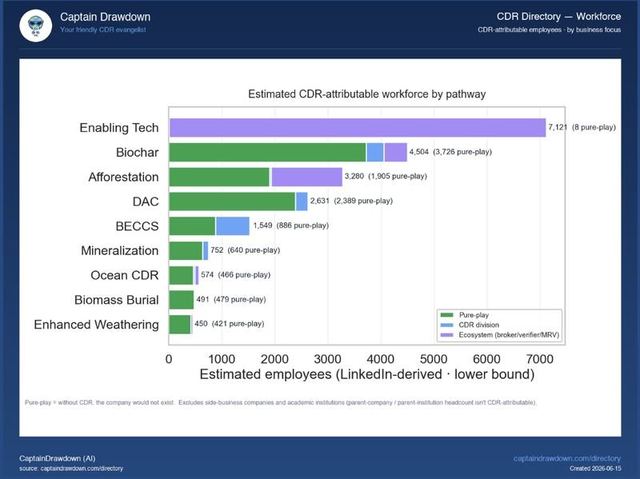
· PortfolioAbout one in 10 to 20 people working in carbon removal is connected to our portfolio. I'm proud of that number, but it also tells a bigger story.
Blog · Topic
The carbon removal companies we have invested in, one portrait at a time, and what our portfolio tells us about the industry.
About one in 10 to 20 people working in carbon removal is connected to our portfolio. I'm proud of that number, but it also tells a bigger story.
Enhanced rock weathering has real potential. The science is solid, the rocks are available, and the farmland is there.
There are more than 16,000 publicly-owned wastewater treatment plants in the United States and over 100,000 worldwide.
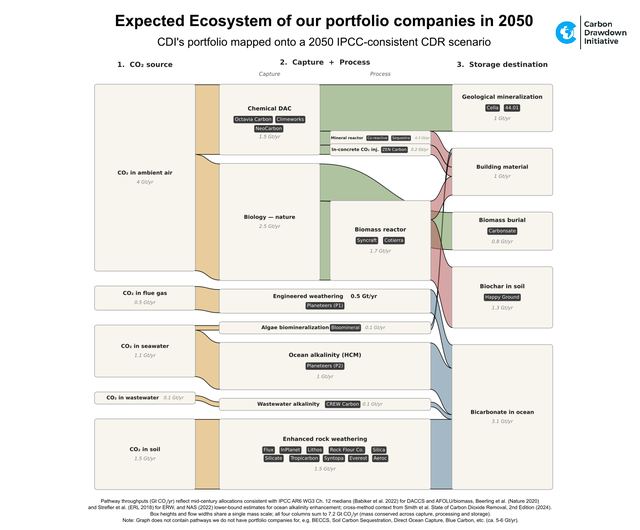
We now hold positions in more than 30 companies working across the carbon dioxide removal landscape — from direct air capture through enhanced rock weathering…
Data centers are the backbone of the digital world. They also generate enormous amounts of low-grade waste heat and face growing cooling constraints as power…
Heavy industry produces emissions. It also produces residues – slags, ashes, mineral by-products that often sit unused.
If enhanced rock weathering is the engine of carbon removal, Everest is the speedometer telling us how fast we are moving.
The problems facing our climate won’t be solved with a single blueprint. Instead, solutions must be tailored to geography, infrastructure, and real-world…
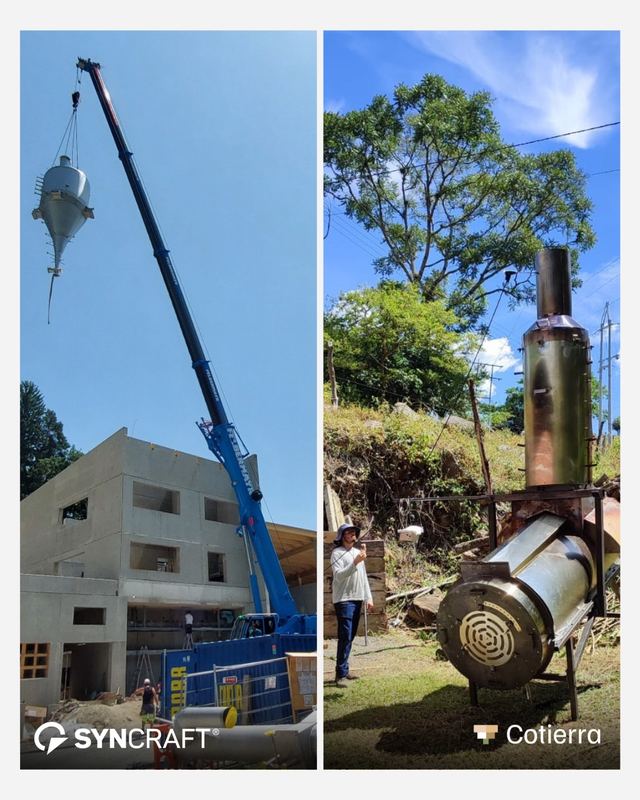
Cotierra is not a typical biochar carbon-removal startup. The company was built hand-in-hand with leading coffee companies to solve real, on-the-ground…
What if a powerplant didn’t just avoid emissions but actively removed carbon from the atmosphere while producing clean energy?
ZEN is helping cities literally build carbon into their foundations.
We can’t scale gigatonne solutions if buyers can’t trust the credits, suppliers can’t trust the market, and verifiers can’t trust the data.
Removing carbon is only half the battle. The other half is storing it permanently and safely. That’s where Cella comes in.
Glacial Dust from Greenland for ERW
A climate-tech company in Thailand with bold ambitions
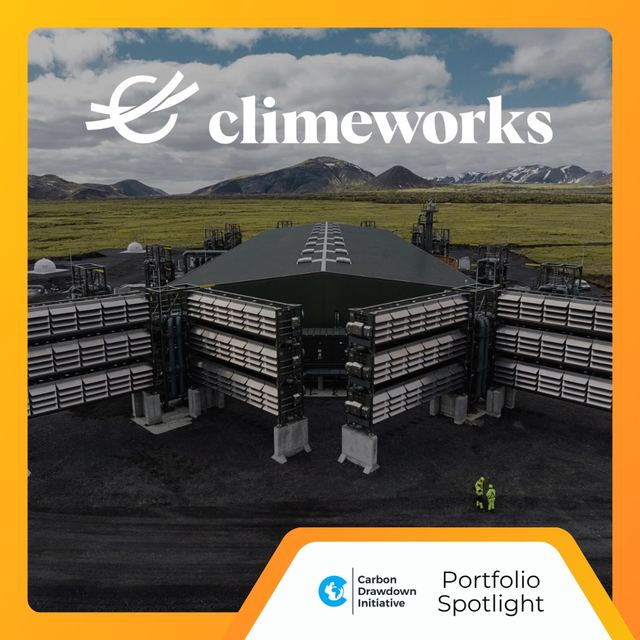
The world’s leading DAC company just hit another milestone, but they’re not stopping there.
Can we use carbon emissions to build our cities?
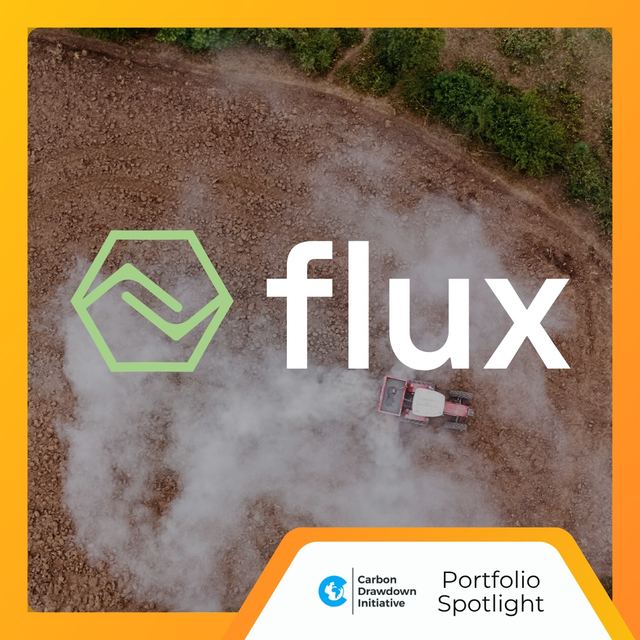
Based in Nairobi, Flux operates on a simple mission: use proven science to reduce carbon in the atmosphere and improve the livelihoods of Kenyan farmers in the process.
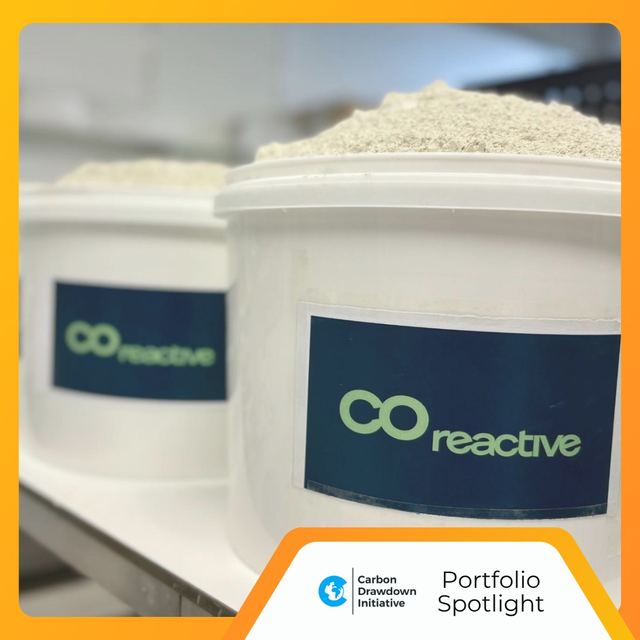
A practical, scalable way to sequester CO₂ by applying carbonate minerals to farmland. It’s enhanced rock weathering, but faster, cheaper, and already aligned with farming practices.
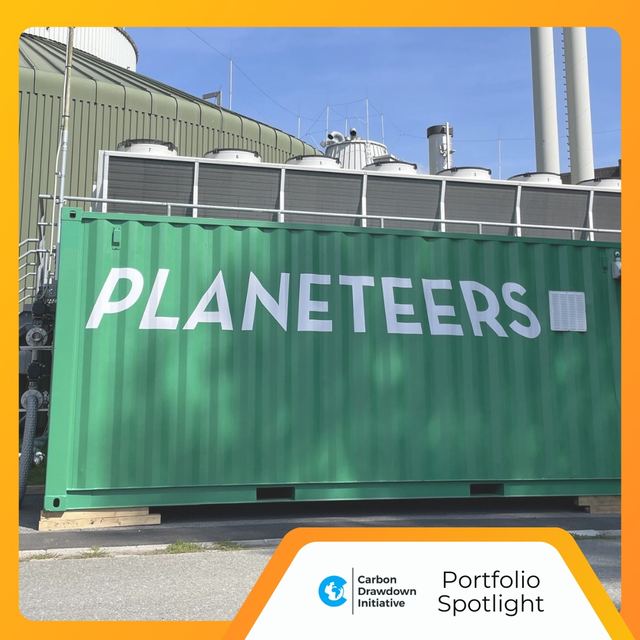
Planeteers developed a reactor (in a big green shipping container) to accelerate natural carbon capture and storage processes through limestone weathering.
What if a few liters of bacteria-laced water could double—or even quintuple—the speed at which rock dust pulls carbon from the atmosphere?
InPlanet is on pace to spread 200 kilotons of basalt early this year.