Can you profitably sell CDR certificates using online marketing?
On this page 5 sections
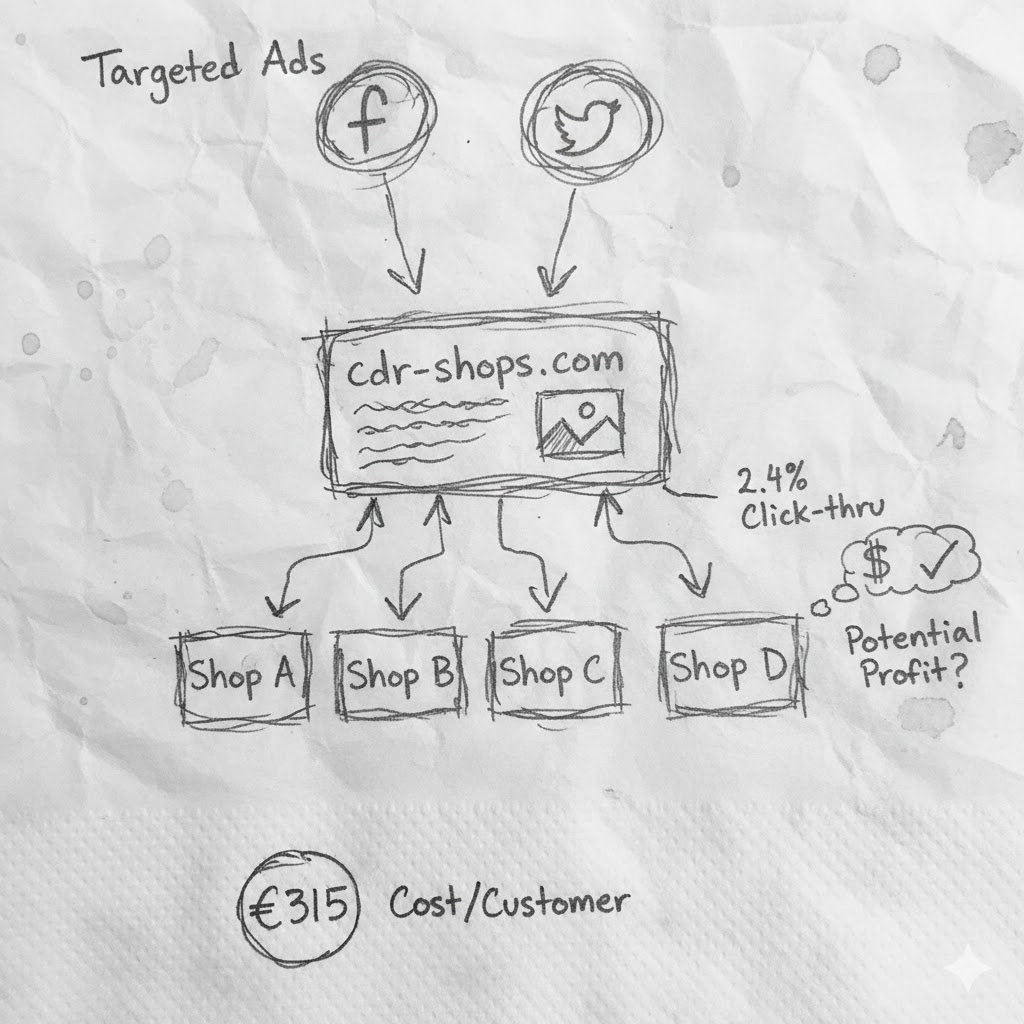
We wanted to know: As a shop that sells carbon dioxide removal (CDR), can you profitably sell CDR certificates online with ads? As scientists, we followed our instincts, and decided to run an experiment.
For just over two months, we ran an online marketing experiment for cdr-shops.com.
We set up targeted ads on Facebook and Instagram, with a view to attracting buyers of CDR to our website, and then sending them to one of the CDR shops in our directory.
We wanted to know:
Can we attract visitors to our website, and at what cost?
Can we send some of them to the actual CDR shops (our website is only a directory of shops)?
Can this be profitable?
The results:
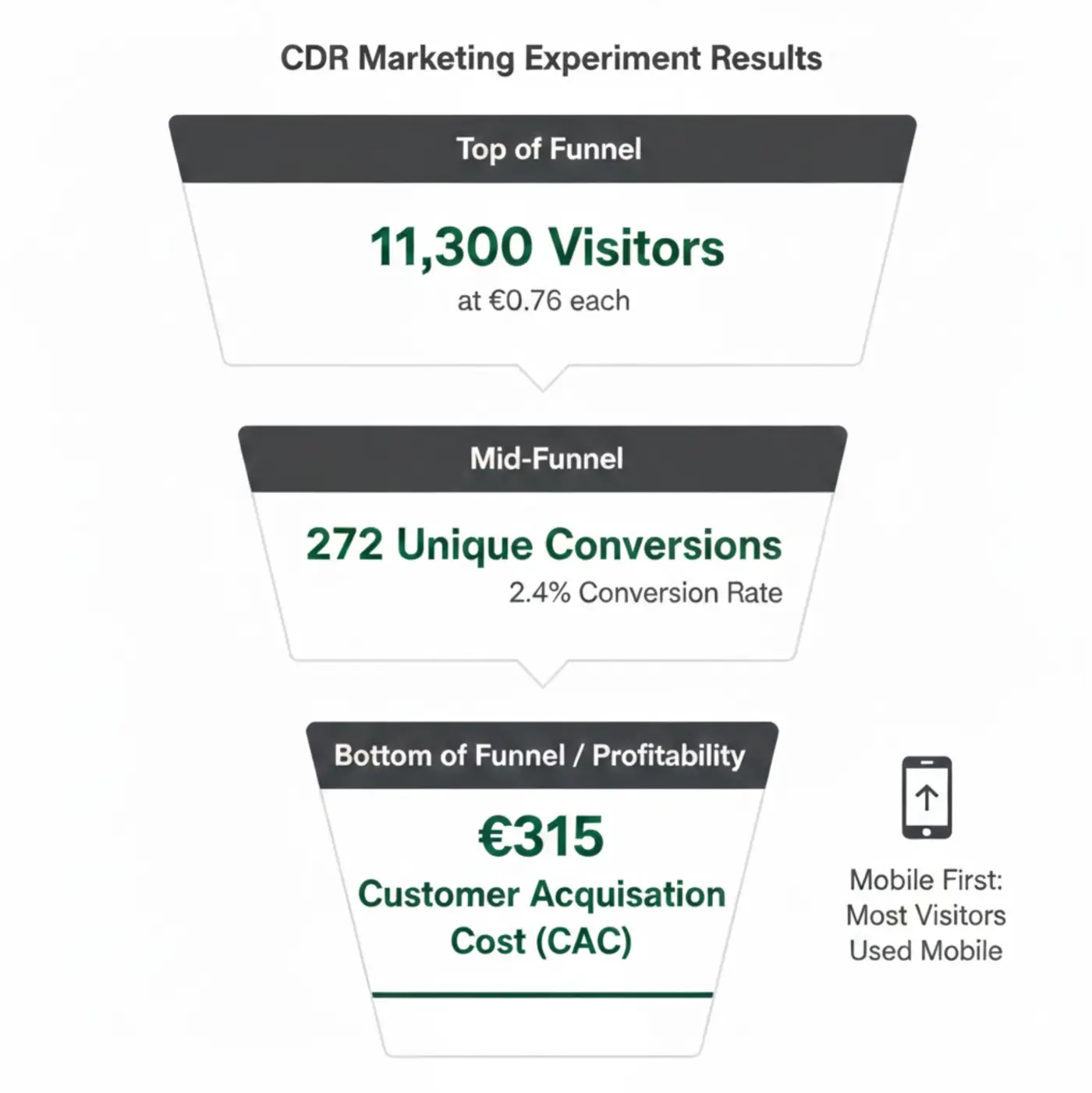
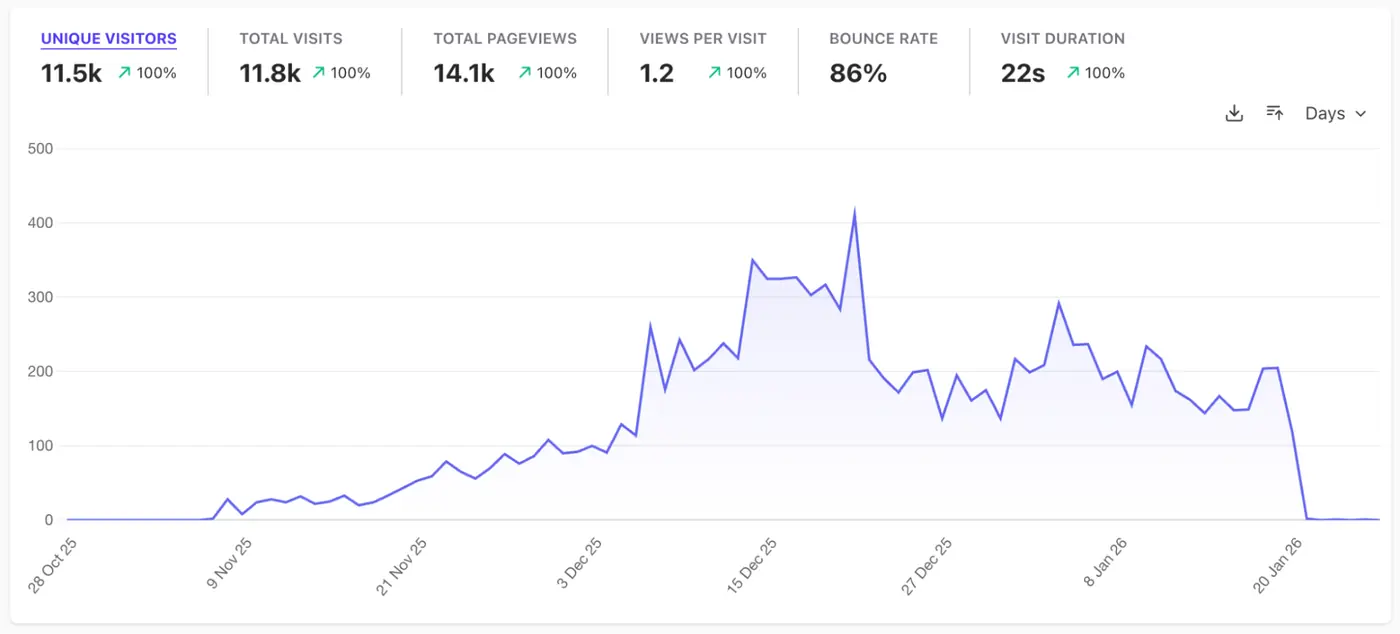
We attracted 11,300 visitors (mostly from the EU and UK) while spending about € 8,700. One visitor cost € 0.76, which is quite reasonable.
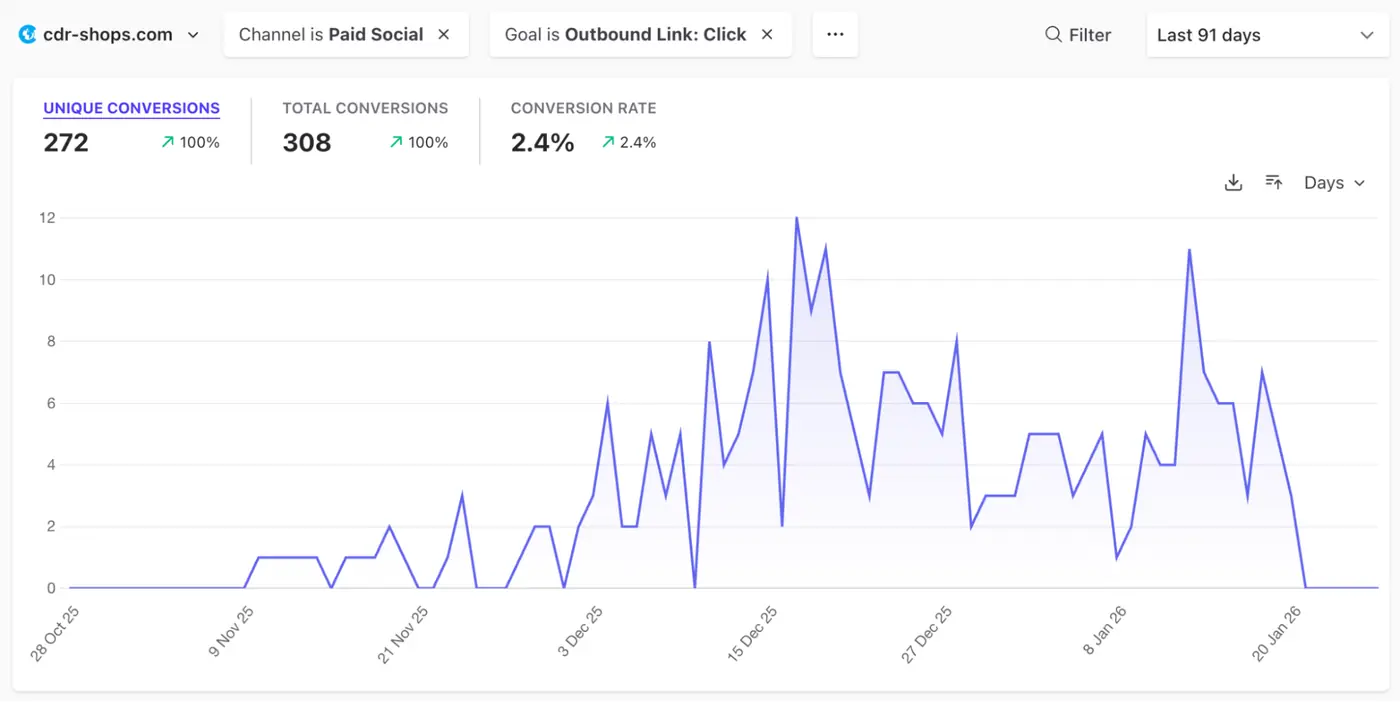
Out of these we sent 276 of these visitors to one of the CDR shops, that is a 2.4% conversion rate (which is quite a good conversion rate for a website that hasn’t even been optimized yet).
That comes down to around € 31.50 per click or shop-visitor, which of course isn't a sale yet, but a reasonable indication of interest. Again, this is quite reasonable.
If we optimistically assume that 10% of these visitors might actually buy CDR certificates, then the Customer Acquisition Cost (CAC, the cost to attract one new customer) is 1 / 10% x € 31.50 = € 315.
So as long as the average lifetime profit from one customer is above €315 then the online marketing via Facebook/Instagram can be profitable (CAC > customer lifetime profit).
This means that one customer needs to buy multiple tons of CDR as the average sale price for one ton of CO₂ (US$ 280 = € 238) across all methodologies as listed on www.cdr.fyi for November 2025.
If you can sell more than a few tons of CDR to a customer over the lifetime of the shop/customer relationship, online marketing with targeted ads might be a profitable business for you.
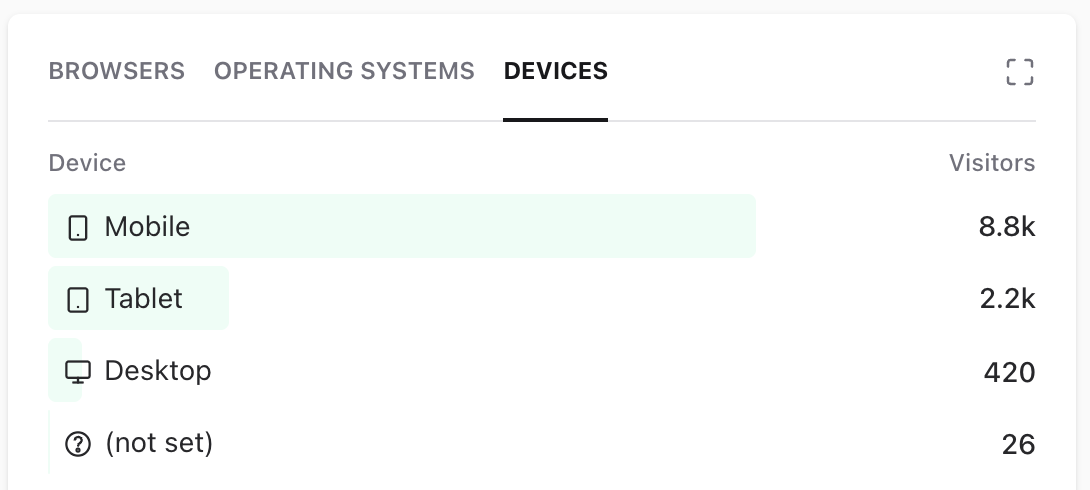
We have only shown that this might work by the order of magnitude. There were assumptions made in this calculation which may be different in real life. Also, there is a lot left to optimize in the ad-settings and the customer journey using A/B-tests for conversion rate optimizing. For example, basic online marketing work and growth hacking, so there might be some serious upside potential, too. It’s also worth noting that if you run an online store for CDR, you have to make sure that your shop works well on mobile phones! The majority of visitors appeared to use a mobile phone or tablet.
Are you running an online shop for CDR? Would you share your estimated average lifetime customer revenue/profit numbers with us so we can all understand if this actually works?
Thanks to Dave Collins and his team from SoftwarePromotions.com for putting their expertise into this project. If you are considering an online marketing project, you should contact Dave! We have been working together for over 25 years.
Graph 1: Paid-for visitors (ad-clicks)
Graph 2: Number of Conversions
Graph 3: Devices used for conversions